Chewing gum after a meal has some real evidence behind it — chewing increases saliva production, and saliva is mildly alkaline and helps wash acid back down the esophagus, which is part of why lying down (which reduces swallowing) makes nighttime reflux worse.
How it compares to other quick fixes
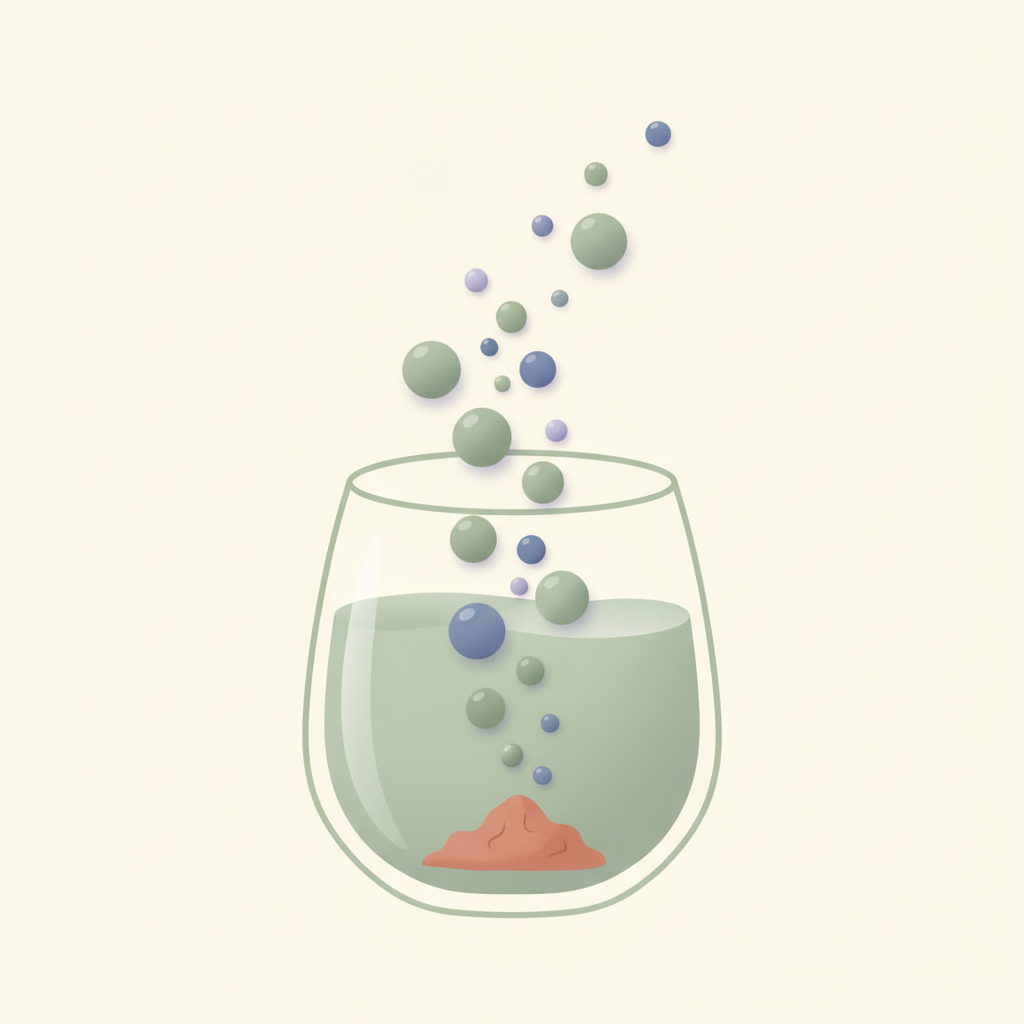
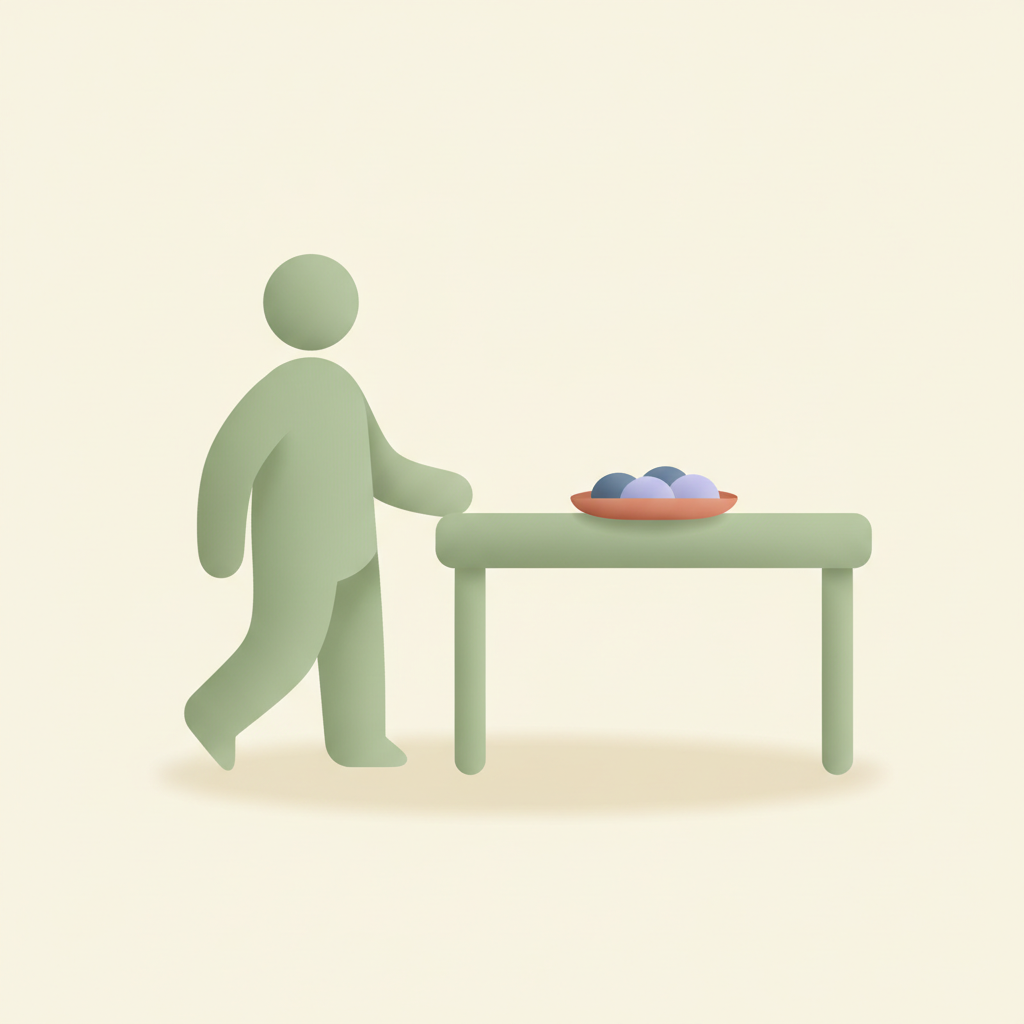
Baking soda in water works faster and more directly by neutralizing acid chemically, but comes with the sodium concern mentioned elsewhere. Standing or walking after a meal helps through gravity and digestion speed rather than saliva. Chewing gum is a milder, slower-acting option, better suited to general after-meal habit than to an acute, uncomfortable episode already in progress.
A practical combination
Chewing sugar-free gum for twenty to thirty minutes after a meal, especially one eaten later in the evening, is a low-effort habit that doesn't come with the downsides of frequent antacid use. Mint-flavored gum is worth avoiding, though, since mint itself can relax the lower esophageal sphincter — cinnamon or fruit-flavored sugar-free gum avoids that particular trade-off.
None of these quick fixes replace addressing frequent reflux with a doctor if it's happening more than occasionally.