An esophageal stricture is a narrowing of the esophagus, and when caused by chronic acid exposure, it develops as scar tissue forms in response to repeated inflammation and healing cycles from long-term reflux.
How it develops
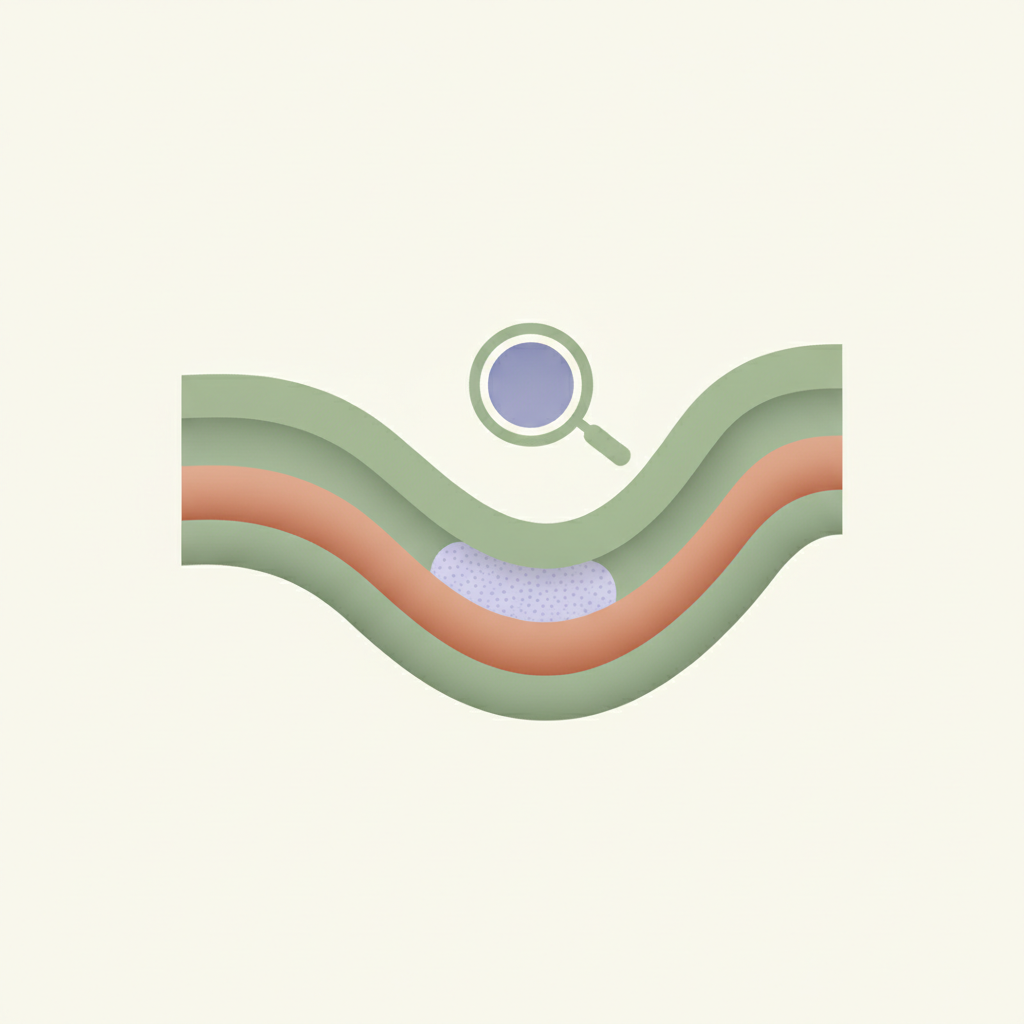
Repeated esophagitis, if left inadequately treated over an extended period, can lead to scarring as the tissue heals from each episode of inflammation. Over time, this scarring can narrow the esophagus enough to physically restrict how food passes through, which is different from the muscle-coordination issues that cause some other types of swallowing difficulty.
The primary symptom
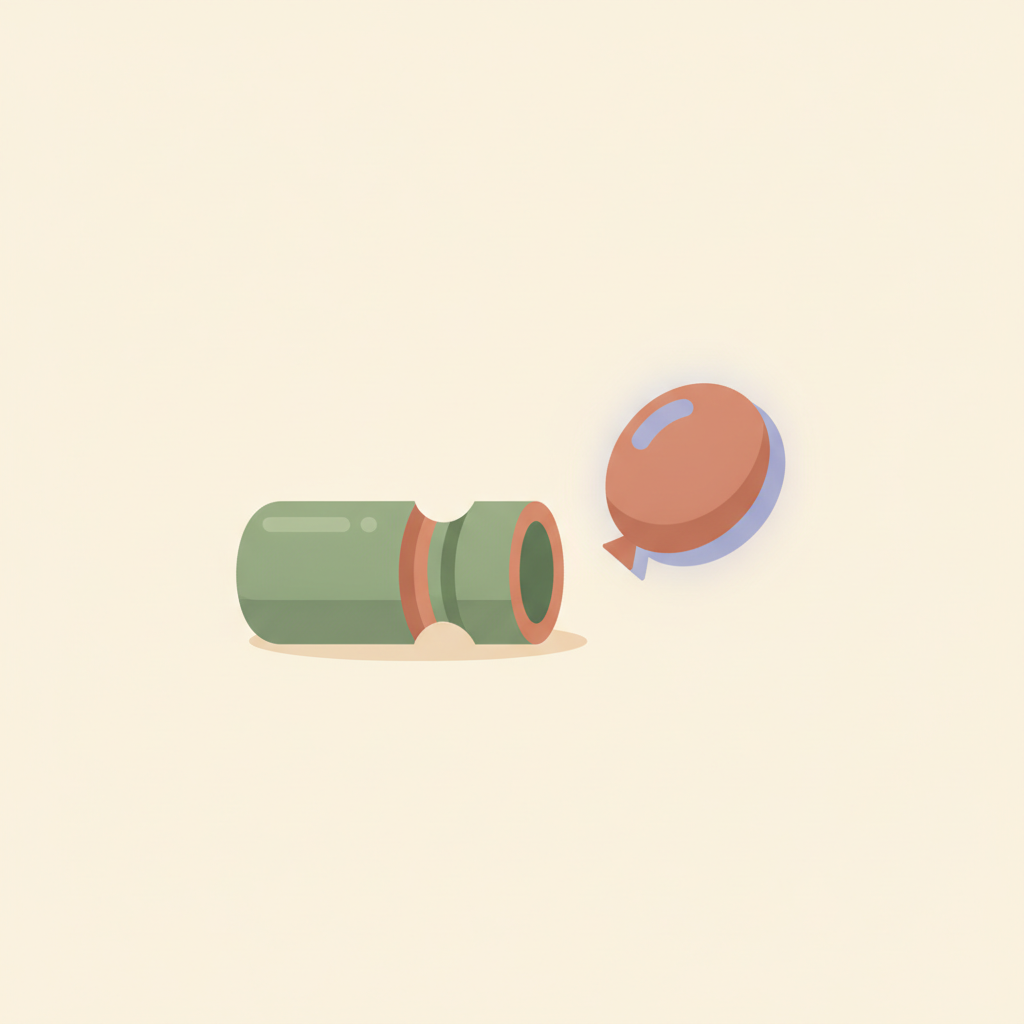
Difficulty swallowing, often progressive (getting worse over time or with certain food textures, typically solids more than liquids initially), and a sensation of food getting stuck are the hallmark signs of a stricture, and these symptoms should always prompt medical evaluation rather than dietary workarounds alone.
How it's diagnosed and treated
Endoscopy or a barium swallow test can identify a stricture and assess its severity. Treatment often involves dilation — gently stretching the narrowed area during an endoscopic procedure — sometimes requiring more than one session, combined with aggressive acid-suppressing treatment afterward to prevent the stricture from recurring, since the underlying reflux that caused the scarring needs to be well controlled going forward.