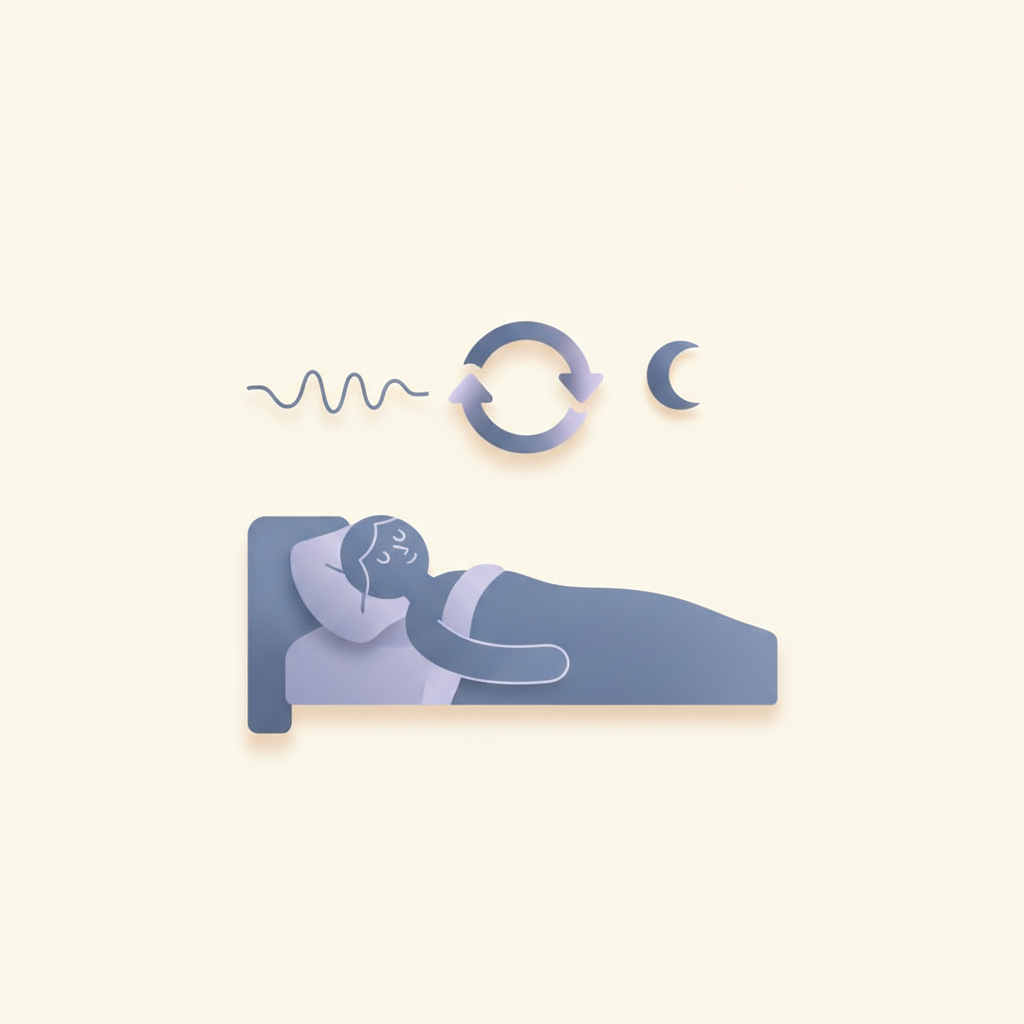
Reflux and insomnia often reinforce each other, creating a cycle that can be harder to break than either problem alone.
How reflux disrupts sleep
Nighttime reflux episodes can cause outright waking (from burning, coughing, or a choking sensation) or more subtle sleep fragmentation that a person may not fully remember but that still reduces sleep quality. Even reflux that doesn't fully wake someone can pull them out of deep sleep stages repeatedly through the night.
How poor sleep worsens reflux
Sleep deprivation can increase sensitivity to acid in the esophagus, meaning the same amount of reflux feels more uncomfortable when you're sleep-deprived. Poor sleep is also linked to changes in eating patterns and stress hormones, both of which can independently worsen reflux the following day.
Breaking the cycle
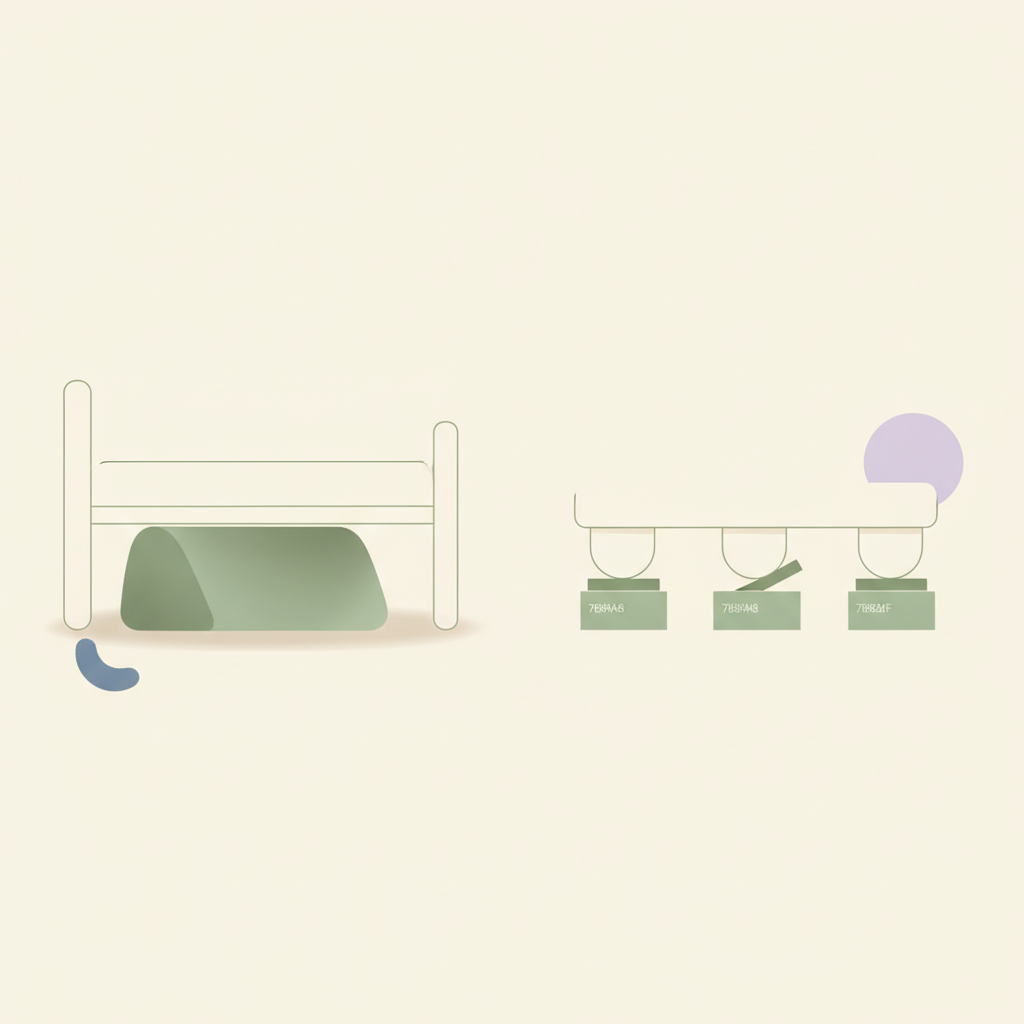
Addressing reflux directly — through elevation, meal timing, and diet — often improves sleep quality as a side effect, which in turn reduces the next day's reflux sensitivity. If both problems have been present for a while, it's often more effective to treat the reflux as the primary target first, since insomnia frequently improves once nighttime symptoms are under control.