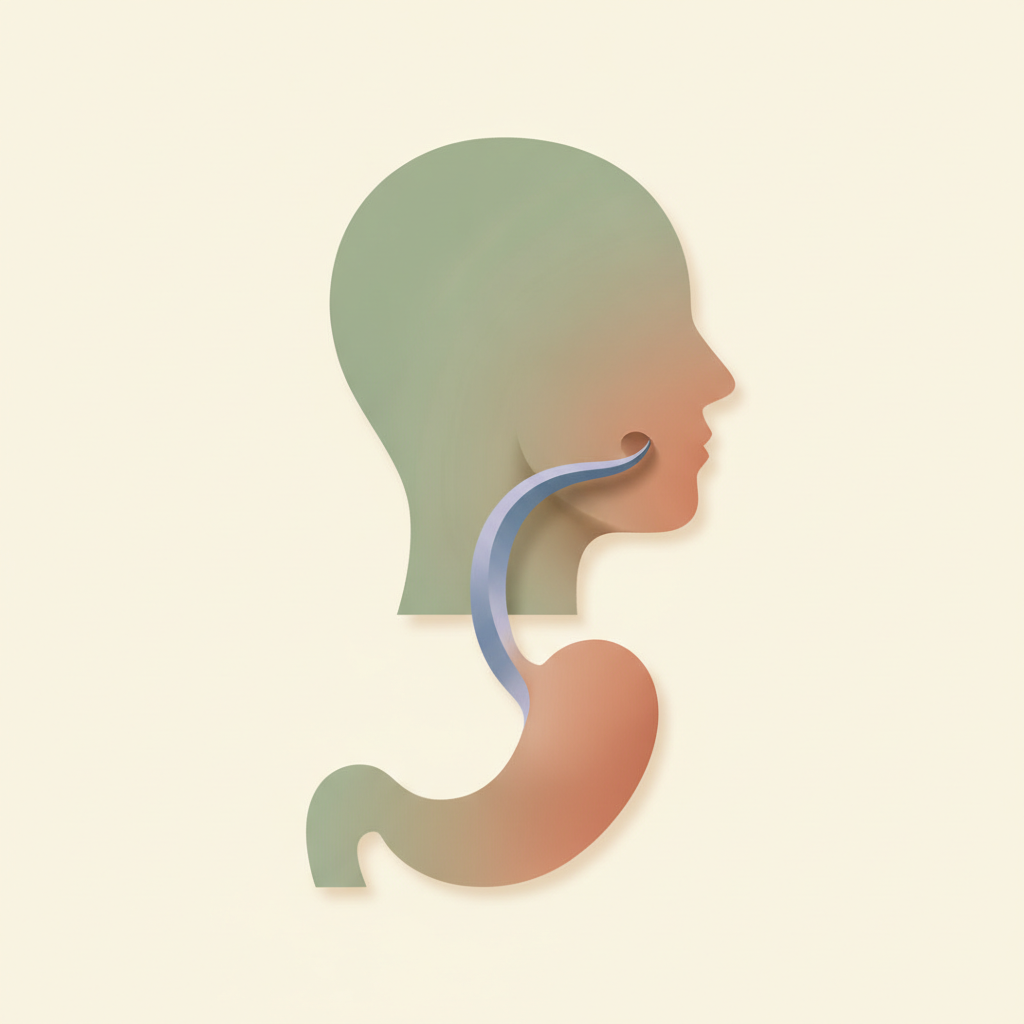

Dietary management for silent reflux (LPR) largely overlaps with standard reflux diet advice, but because LPR affects more sensitive throat and airway tissue, some practitioners recommend a somewhat stricter approach, at least initially.
Why a stricter approach is sometimes suggested
The throat and larynx are more sensitive to even small amounts of acid exposure than the esophagus, which is part of why LPR can cause noticeable symptoms without classic heartburn. Some clinicians recommend a more thorough elimination of common triggers — caffeine, alcohol, chocolate, mint, citrus, carbonated drinks, fatty foods — for a defined period (often several weeks) to see how much symptoms improve, rather than a more gradual, individualized approach.
The alkaline diet approach
Some research and clinical approaches to LPR specifically have explored a lower-acid, more alkaline-leaning diet (emphasizing vegetables, lean protein, and avoiding highly acidic foods and drinks) with reasonable reported results, though this remains an area with an evolving evidence base rather than settled consensus.
A practical starting point
Given how closely LPR symptoms can mimic other throat and respiratory conditions, working with a doctor to confirm the diagnosis before committing to a strict elimination diet ensures the dietary effort is actually targeted at the right underlying issue.