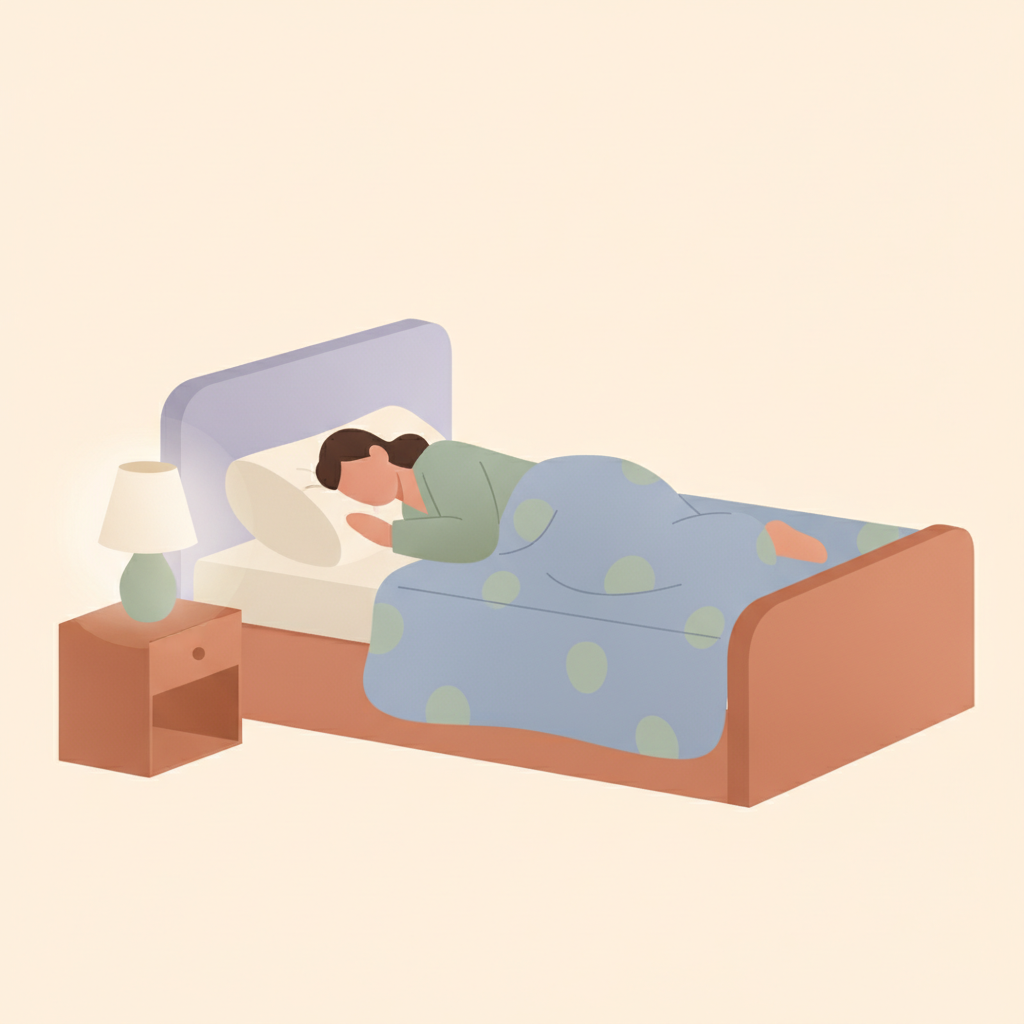
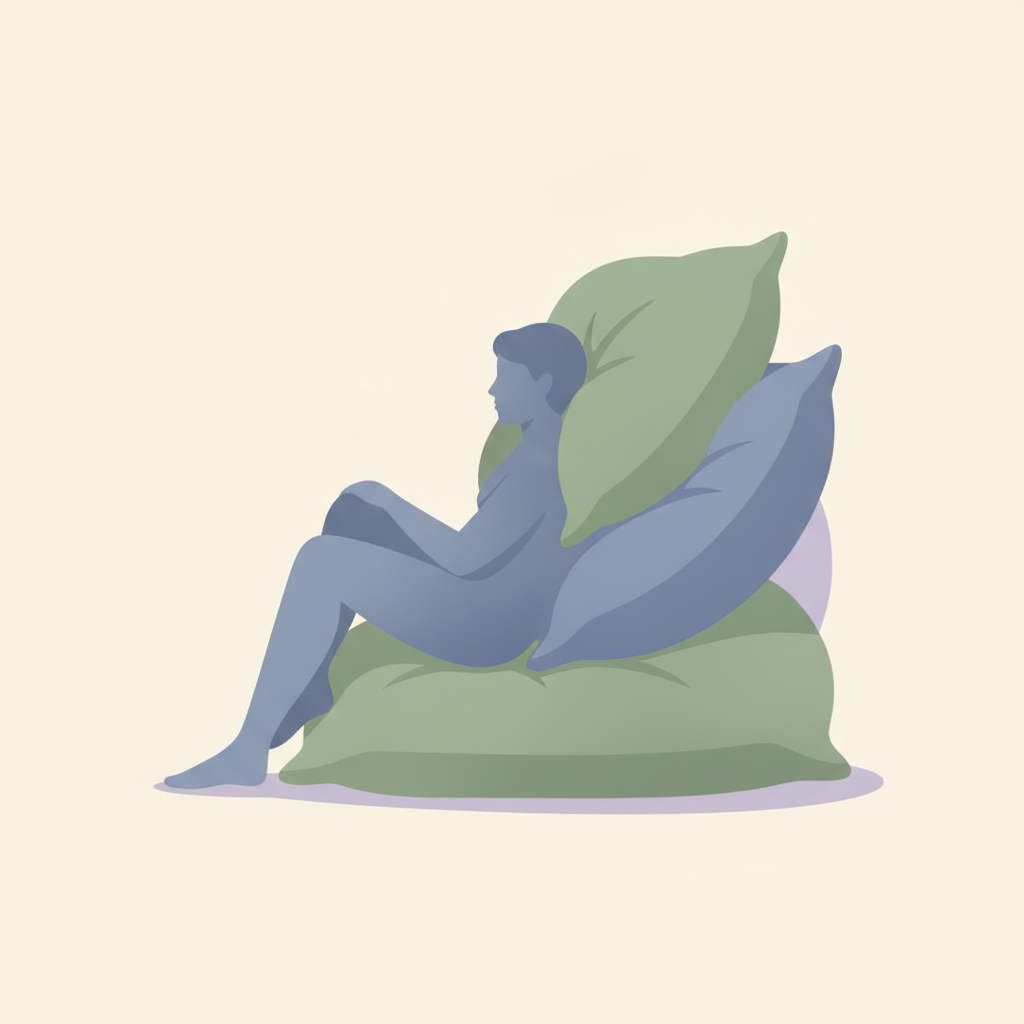
For people with severe or poorly controlled nighttime reflux, sleeping in a more upright position — beyond the standard six-to-eight-inch elevation — is sometimes recommended as a more aggressive short-term measure.
When this level of elevation is considered
This is typically suggested for people with confirmed significant reflux (often alongside medication) who haven't gotten enough relief from standard elevation, rather than as a first step for mild or occasional symptoms.
How people achieve it
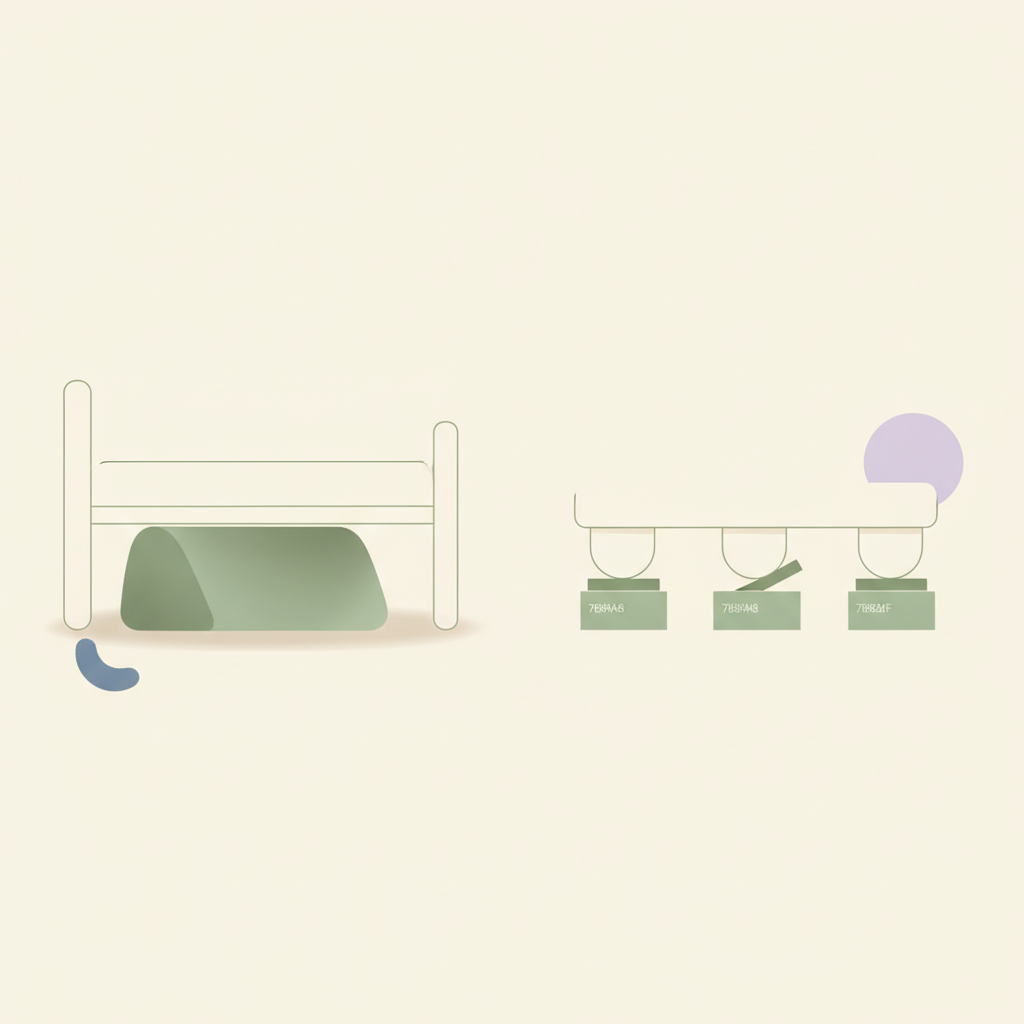
A recliner chair, an adjustable bed set to a higher angle, or a wedge system built for a steeper incline are the common approaches, since achieving a genuinely upright sleeping position with a standard mattress and pillows alone is difficult to sustain through a full night.
Trade-offs to know about
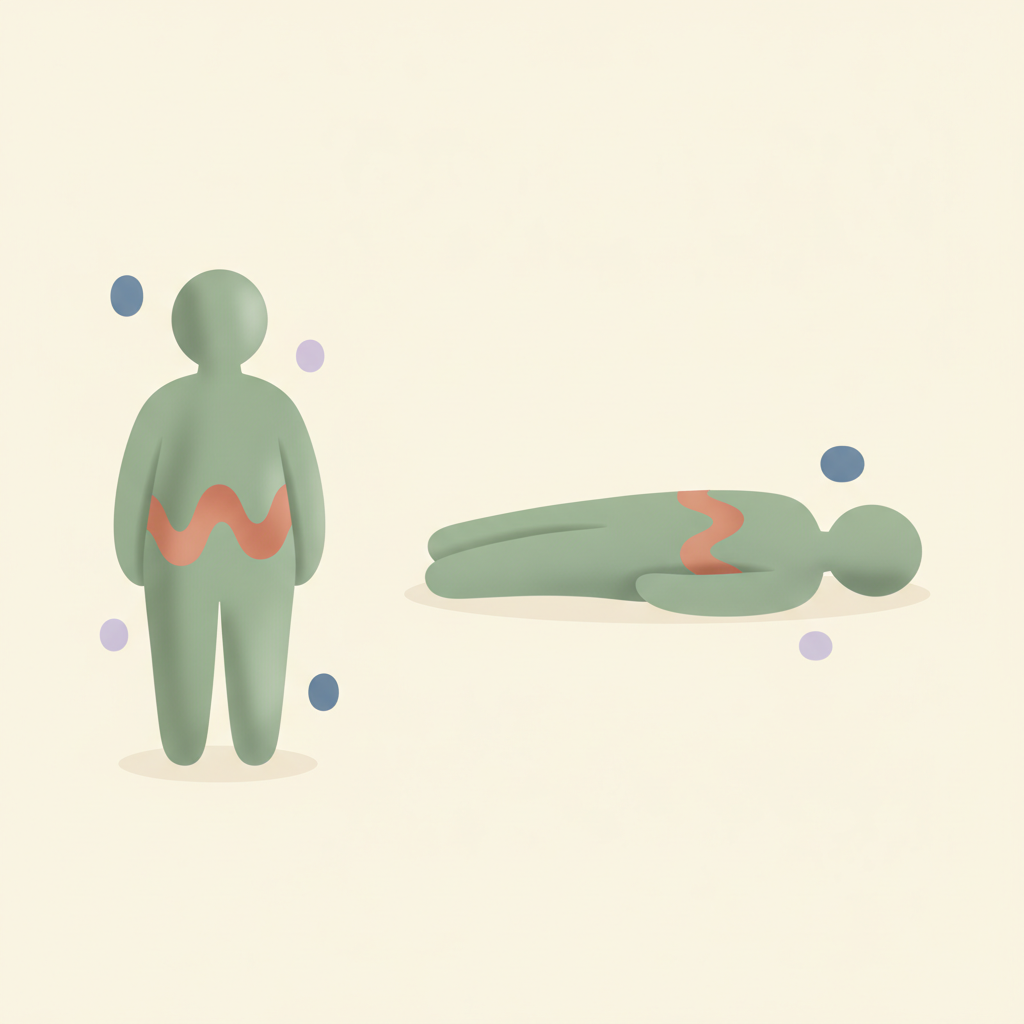
Sleeping more upright can affect sleep quality and comfort for some people, particularly with back or hip discomfort from the position, so it's generally treated as a targeted measure during a bad flare-up or as part of a broader treatment plan rather than a permanent, comfortable long-term solution for everyone.
This isn't personal medical advice — if standard elevation isn't controlling nighttime symptoms, that's worth discussing with a doctor rather than escalating home measures indefinitely on your own.