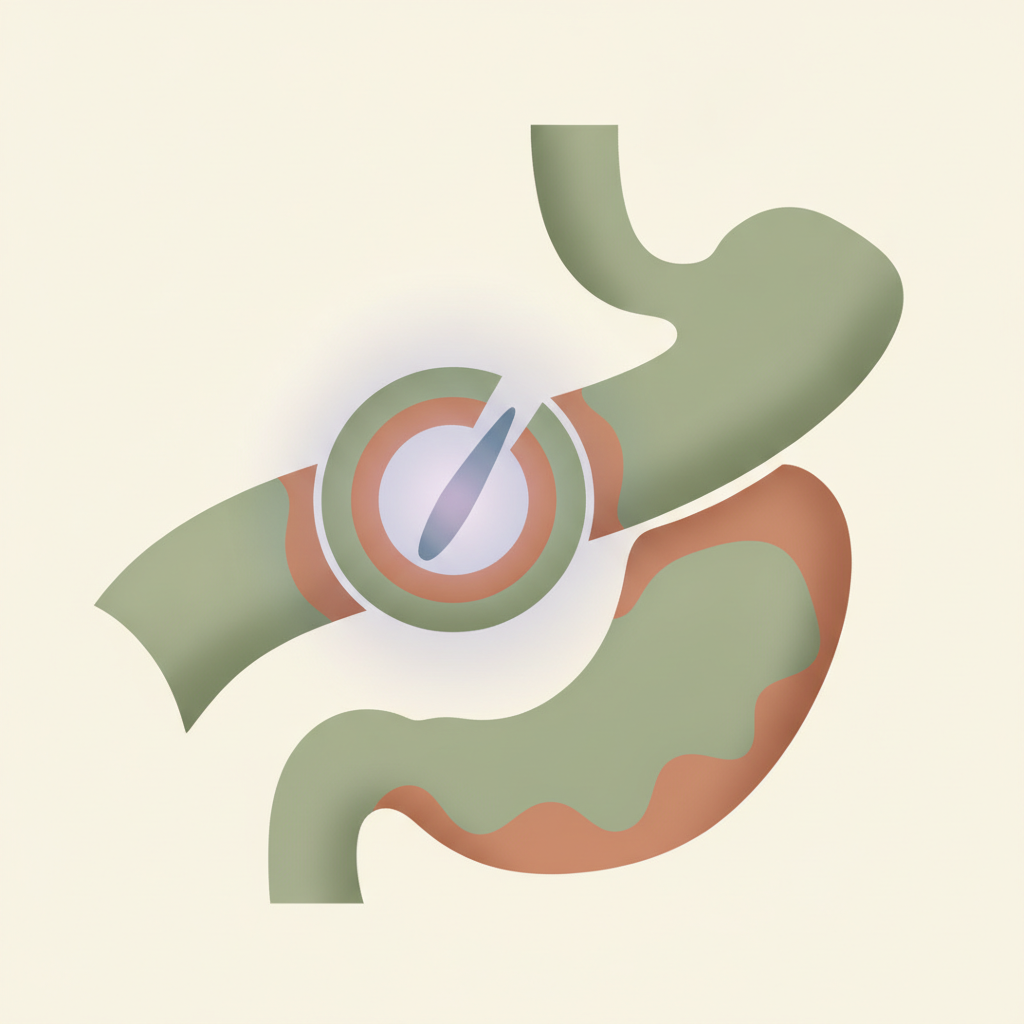
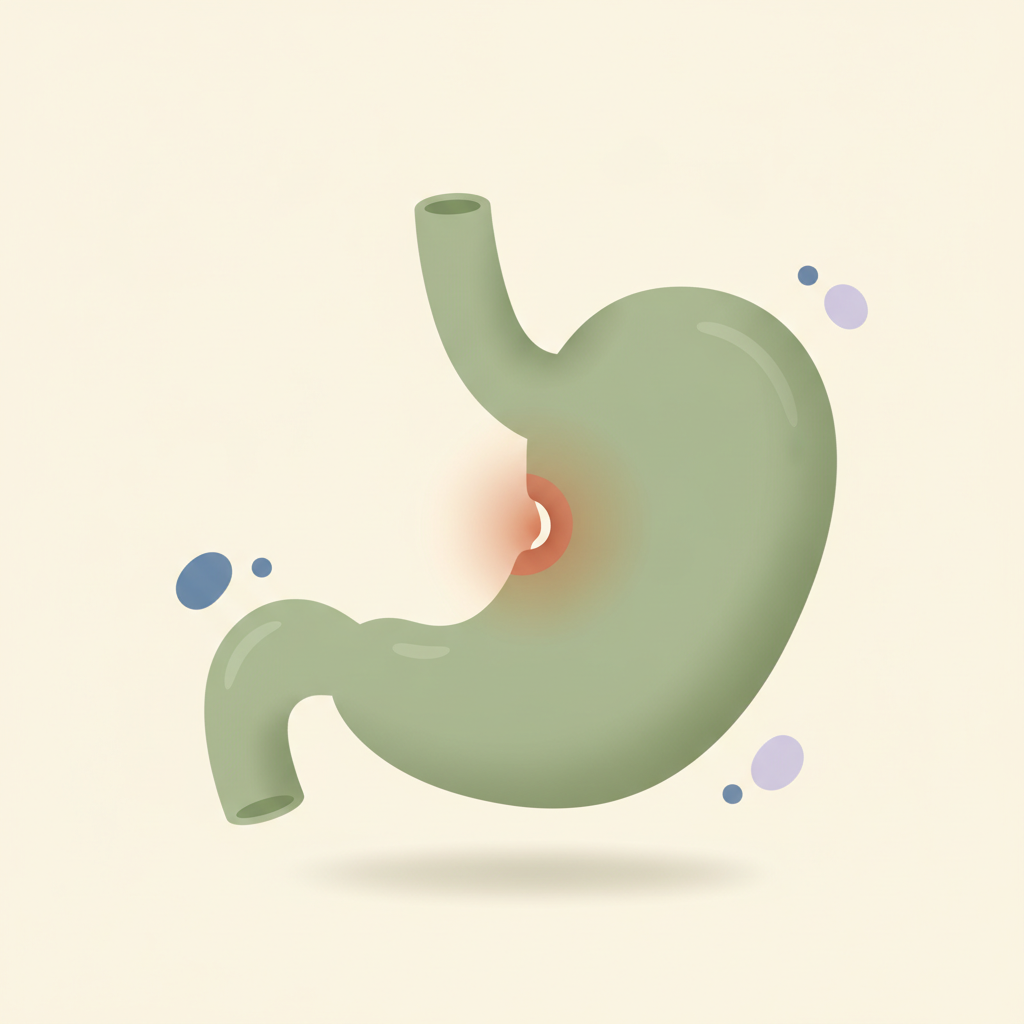
At its core, reflux happens when the lower esophageal sphincter (LES) — the ring of muscle between the stomach and esophagus — opens or relaxes when it shouldn't, letting stomach contents travel back up. Several things can lead to this: the LES weakening over time, increased pressure in the stomach (from overeating, obesity, or pregnancy), a hiatal hernia that physically displaces the valve, and delayed stomach emptying, which leaves more content and more time for it to reflux. Certain foods and drinks relax the LES directly, and habits like eating large meals late at night or lying down soon after eating add mechanical pressure on top. Reflux is rarely caused by one single factor — it's usually a combination of a somewhat weaker valve plus one or more things making it easier for that valve to fail at a given moment.