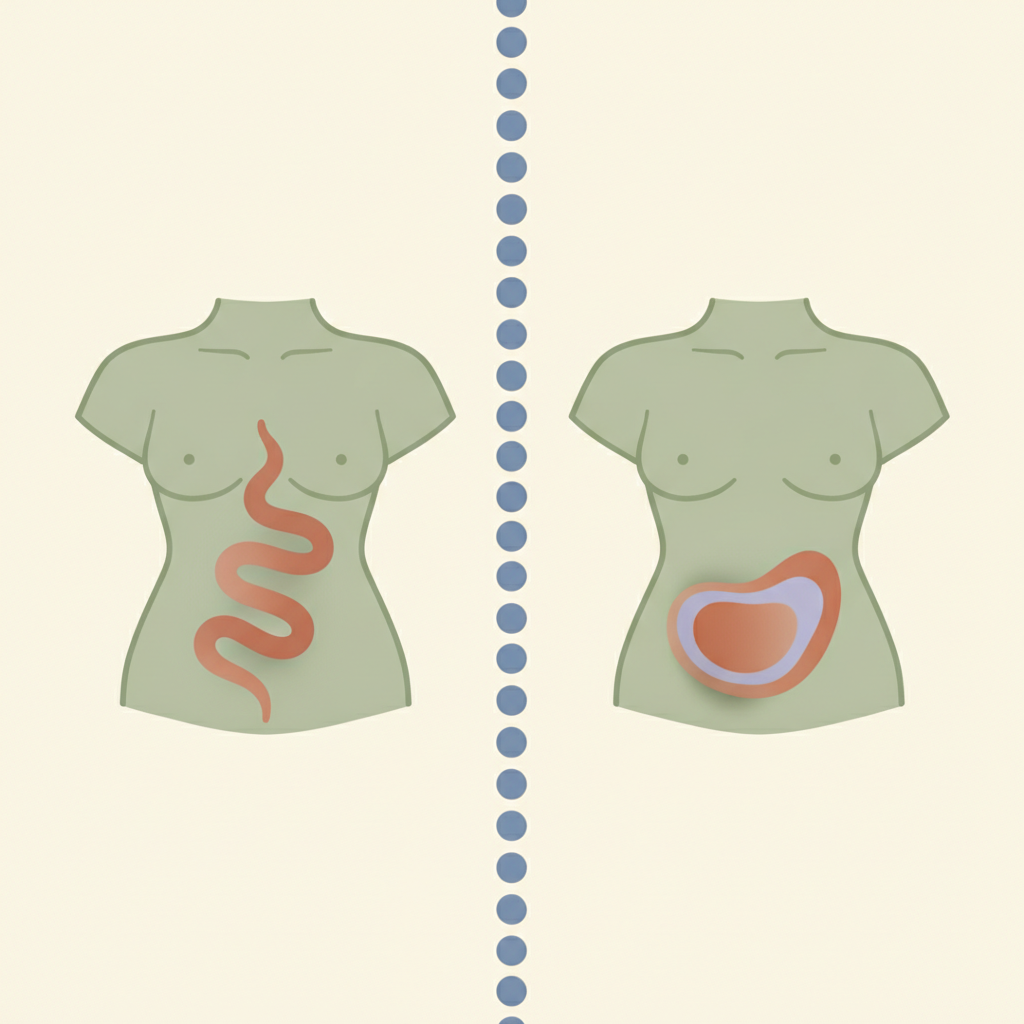
Barrett's esophagus is a specific tissue change that can develop from long-term, poorly controlled reflux, and it's meaningfully different from the general inflammation (esophagitis) that reflux commonly causes.
What ordinary reflux-related damage looks like
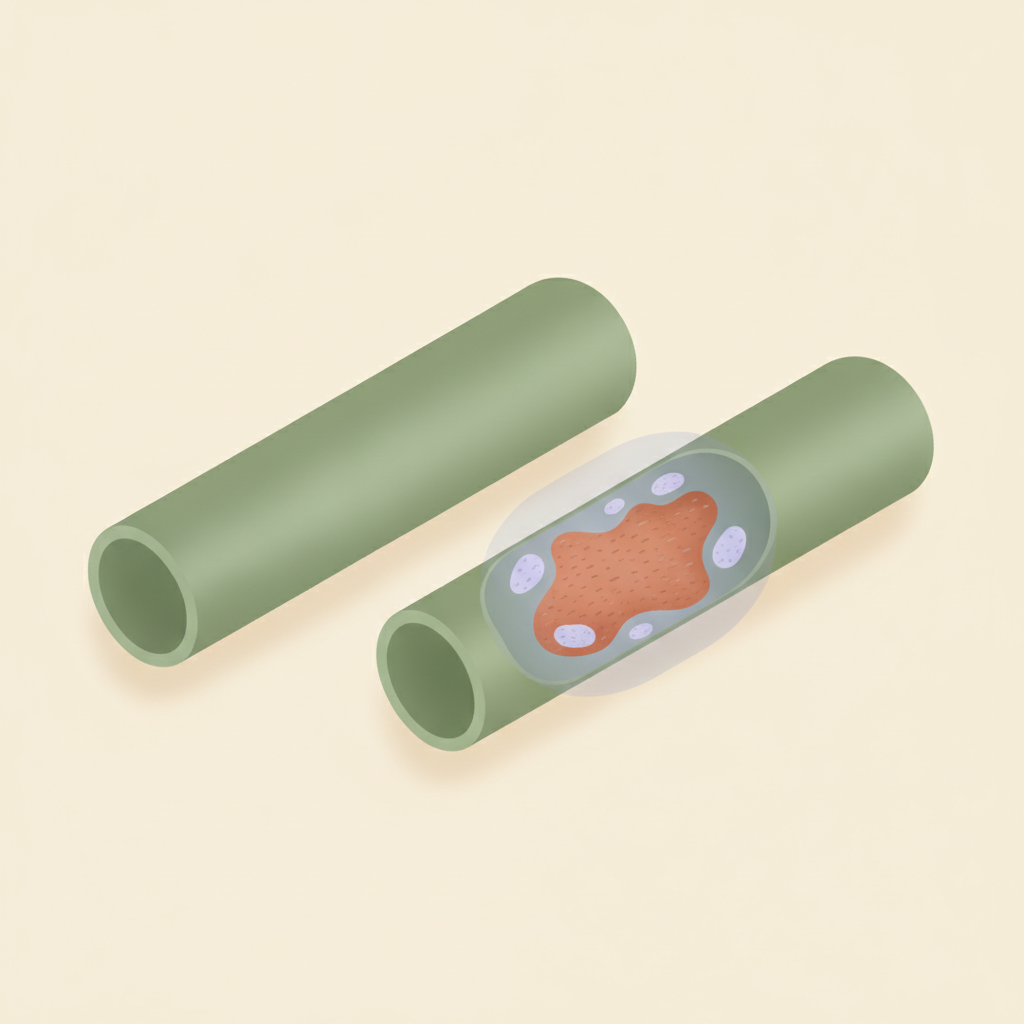
Chronic acid exposure typically causes esophagitis — inflammation and irritation of the esophageal lining — which is common, generally improves with appropriate treatment, and doesn't represent a change in the fundamental type of tissue lining the esophagus.
What makes Barrett's esophagus different
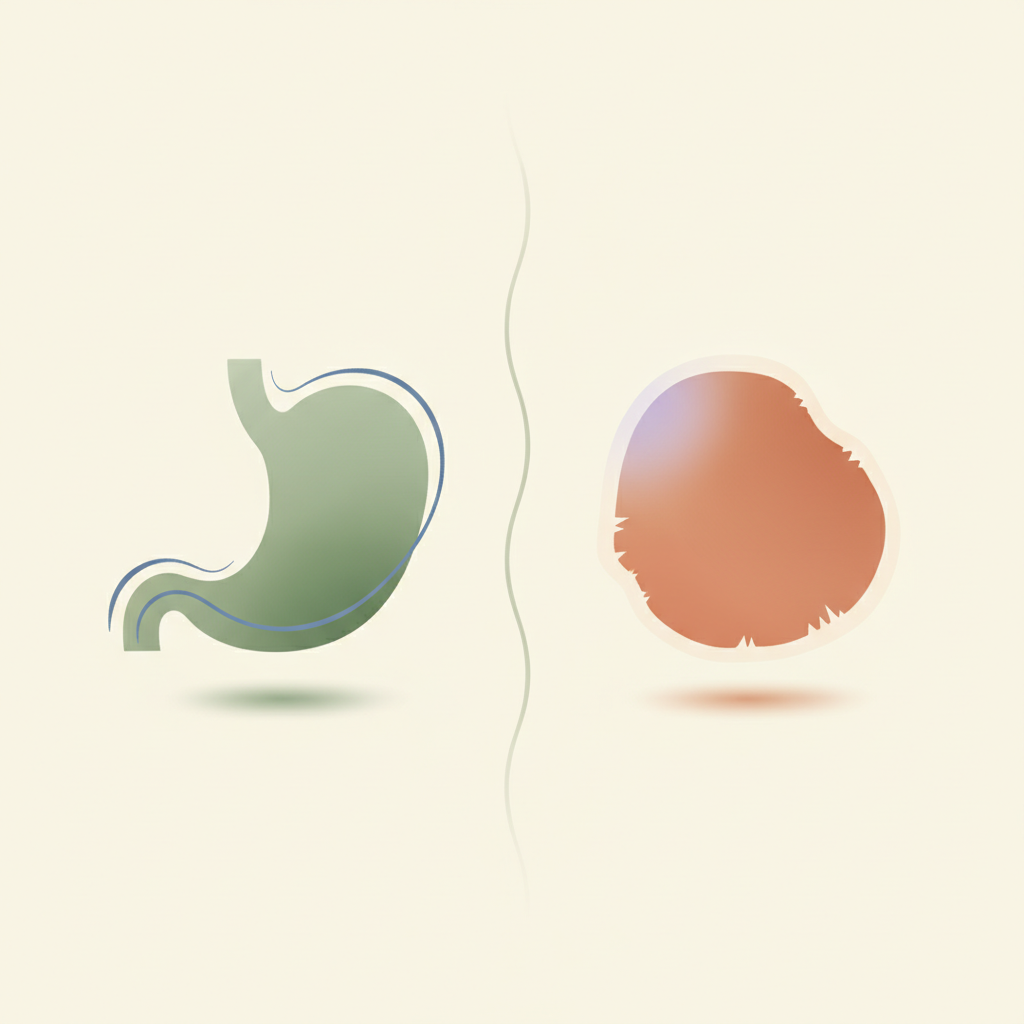
Barrett's esophagus is a specific change where the normal esophageal lining is replaced by a type of tissue more similar to intestinal lining, thought to be the esophagus's adaptive response to chronic acid exposure. This tissue change is identified through endoscopy with biopsy, and it's considered a risk factor for a rare but serious esophageal cancer, which is why it's taken more seriously than typical esophagitis and usually leads to a monitoring plan.
Who's more likely to be evaluated for it
Long-standing GERD (often cited as many years), particularly in combination with other risk factors like being male, older age, and a history of smoking, increases the likelihood a doctor will recommend endoscopy specifically to check for Barrett's esophagus, even without other alarm symptoms present.
What happens if it's found
Barrett's esophagus doesn't mean cancer is present or inevitable — it means a monitoring plan (periodic endoscopy with biopsies) is generally recommended to catch any further concerning changes early, alongside continued aggressive reflux management to reduce ongoing acid exposure.