Caffeine's role in reflux is well established but often overstated in one direction: it's more accurate to say caffeine tends to make existing reflux worse rather than being a standalone cause for everyone.
The mechanism
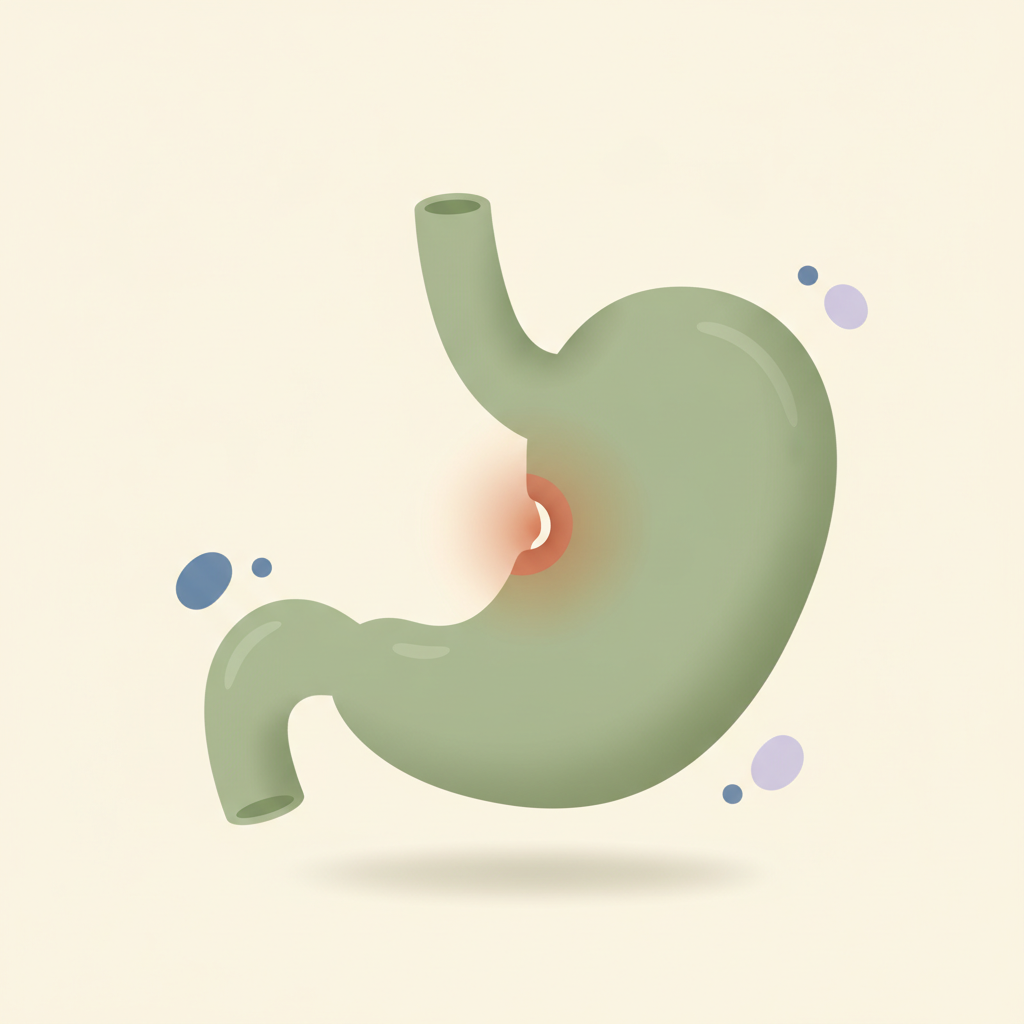
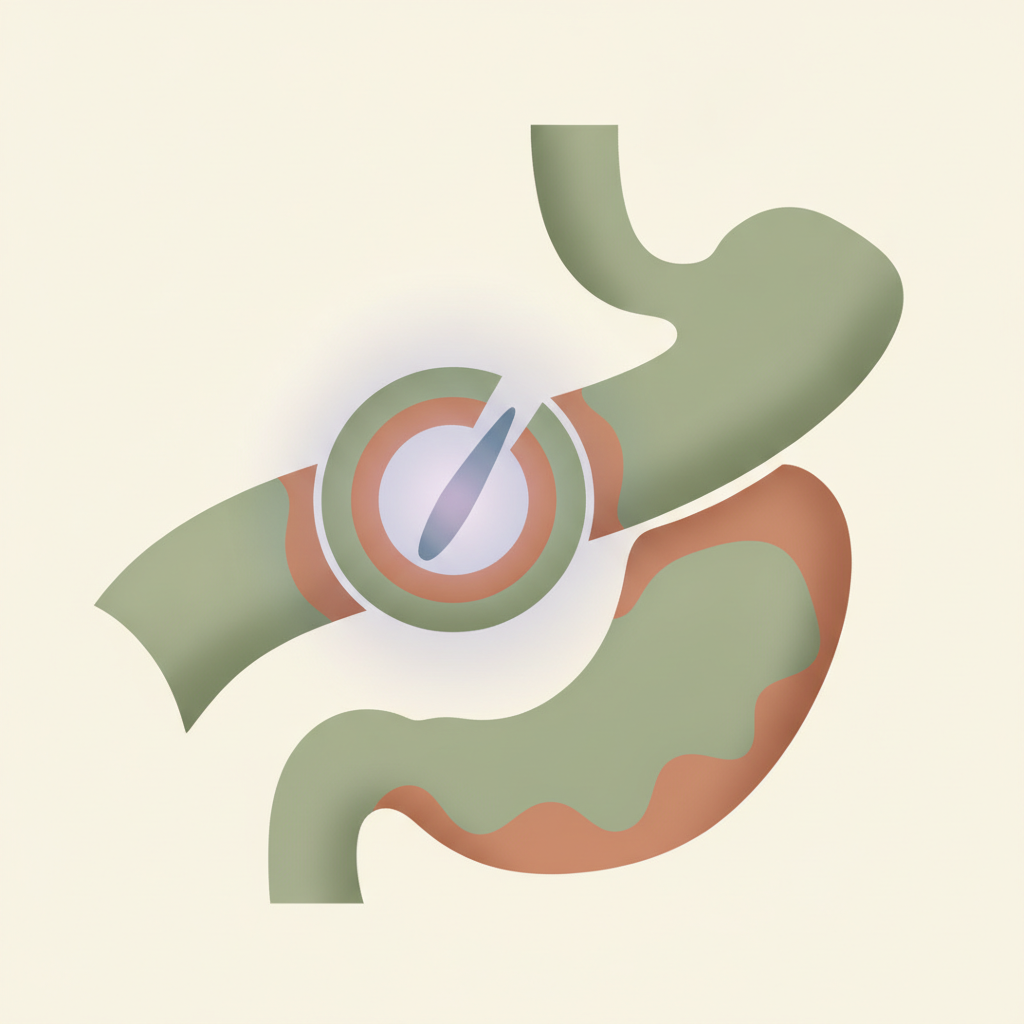
Caffeine relaxes the lower esophageal sphincter in many people, which is the primary way it contributes to reflux, and it may also modestly increase stomach acid production. Both effects make it easier for reflux to occur, but they depend on an already-present tendency toward a weak or overly relaxed LES.
Why reactions vary so much
Some people drink coffee daily with no reflux symptoms at all, while others notice symptoms within the hour of a single cup. Genetics, existing LES strength, and how much and how quickly caffeine is consumed all factor into this variability, which is why blanket advice to "just cut out caffeine" doesn't always match individual experience.
A practical way to test it
Cutting caffeine for two weeks and tracking symptoms, then reintroducing it in a smaller amount or at a different time (with food, rather than on an empty stomach) gives more useful information than assuming it's guilty without testing.