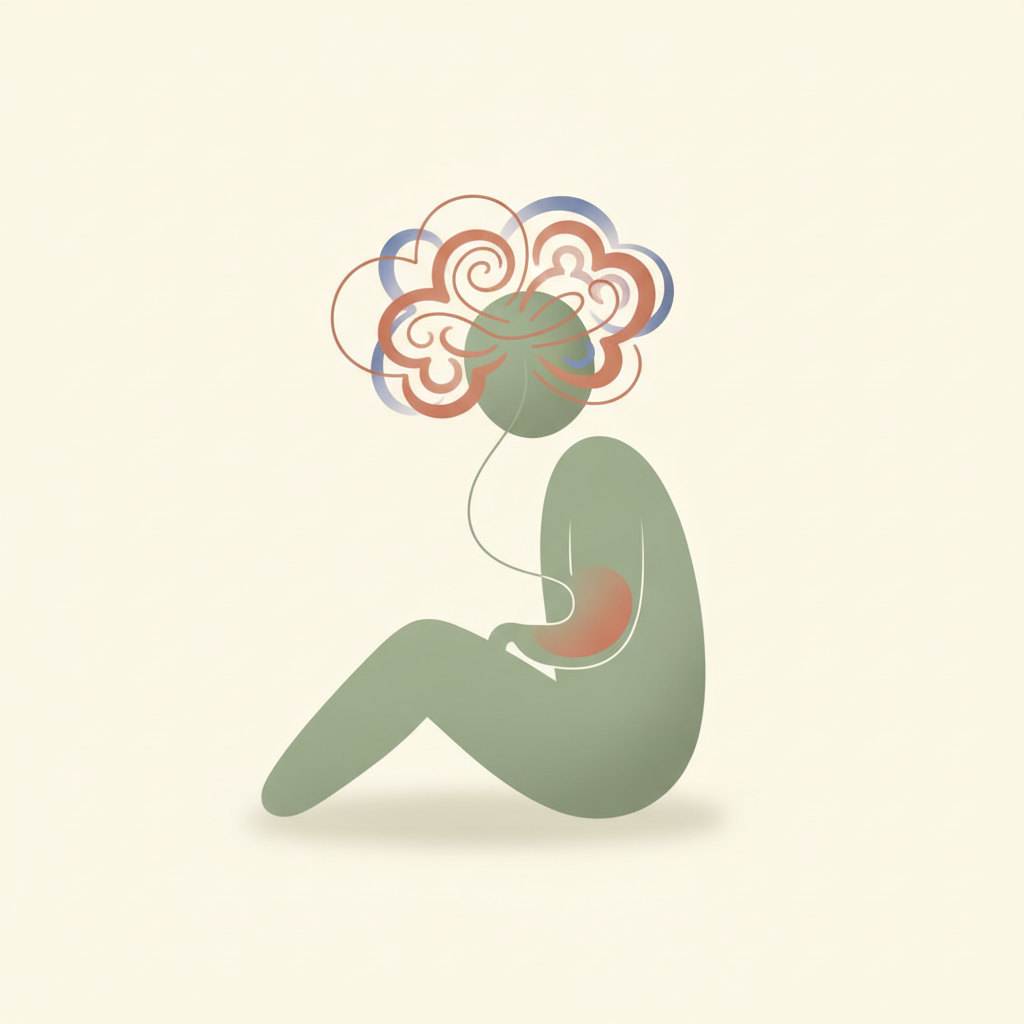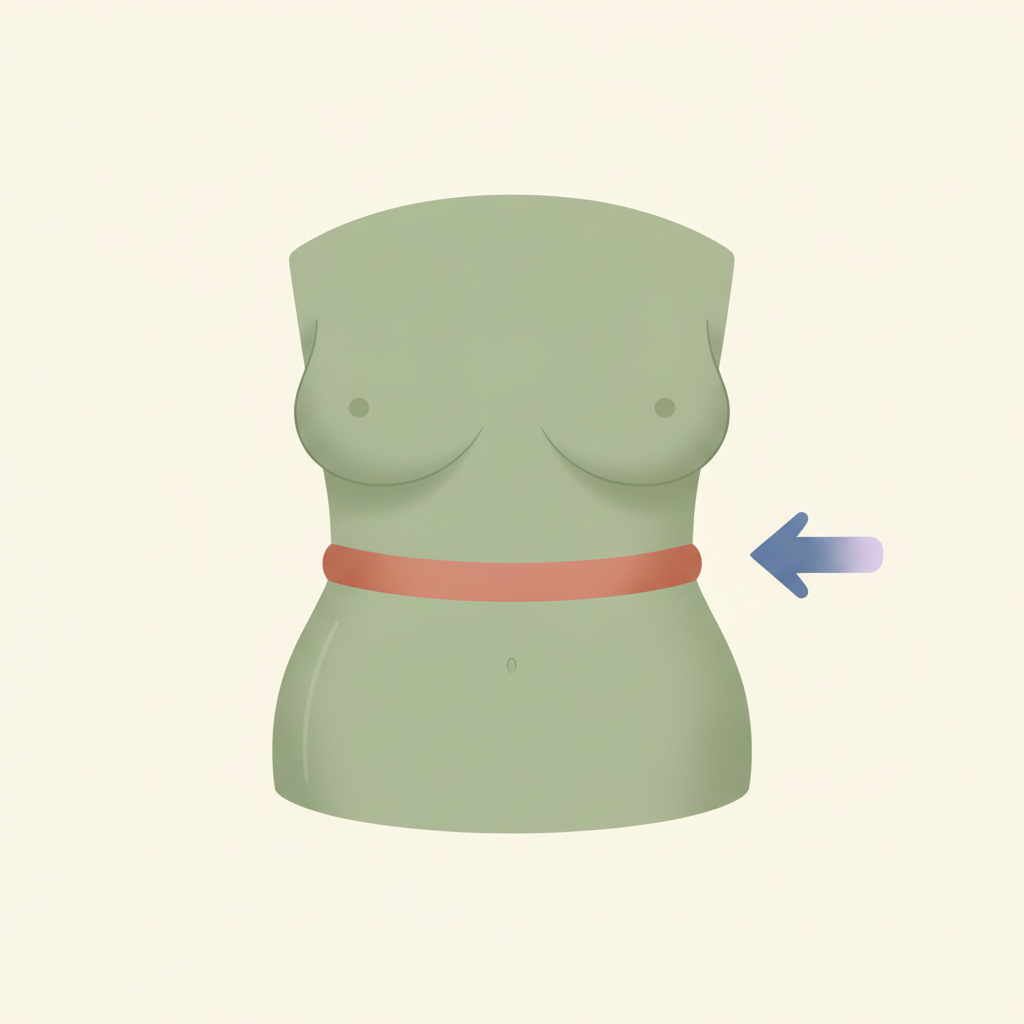
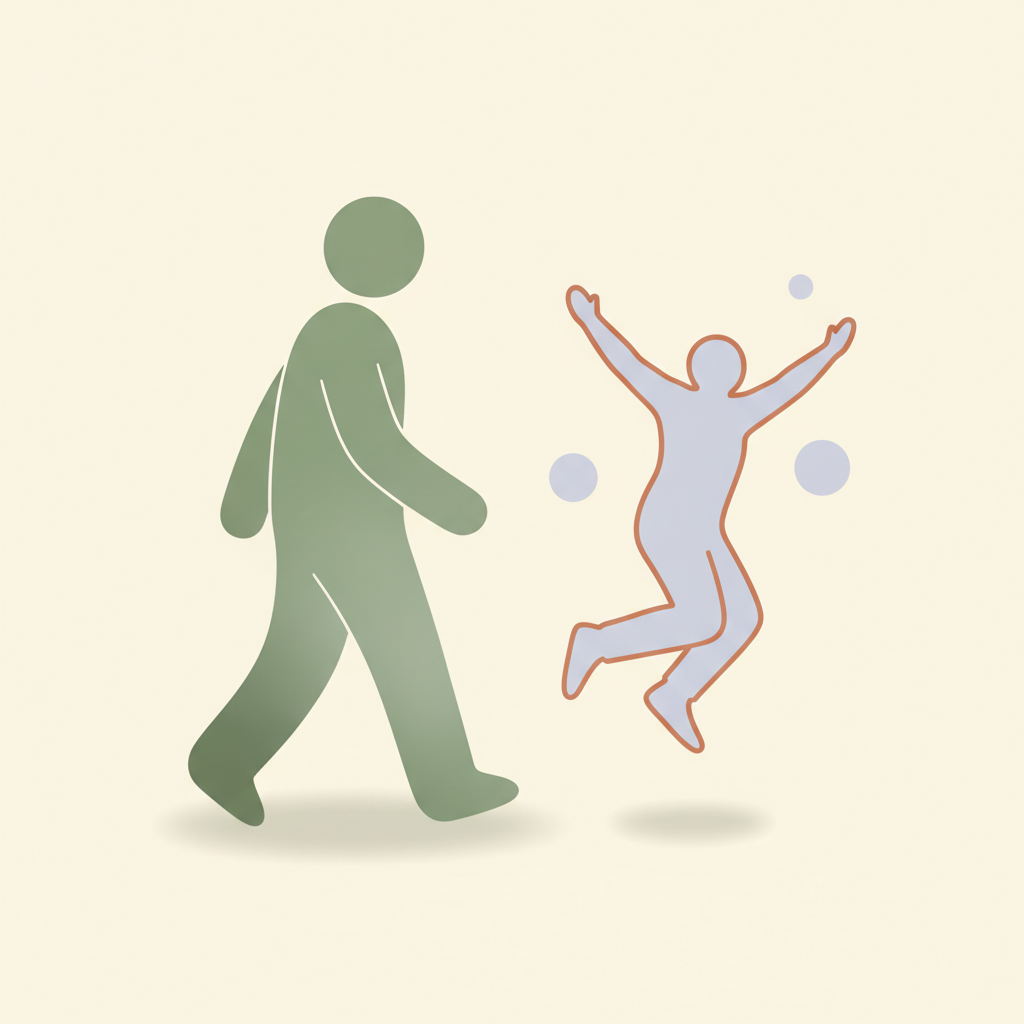
Exercise itself is generally good for reflux long-term — it supports healthy weight and digestion, both of which reduce reflux risk — but certain types and timing can trigger symptoms in the short term. High-impact activities (running, jumping, heavy lifting) increase abdominal pressure, which can push against the LES and provoke reflux, especially soon after eating. Exercises that involve bending forward or lying flat (crunches, certain yoga poses) can have a similar effect. Lower-impact activities — walking, cycling, swimming, light strength training — tend to be better tolerated and rarely trigger symptoms. Timing matters as much as the activity itself: exercising on a full stomach, particularly with high-impact movement, is one of the more common and avoidable triggers. Waiting at least an hour after a meal before more strenuous exercise, and choosing lower-impact options close to mealtimes, reduces the risk without requiring anyone to avoid exercise altogether.