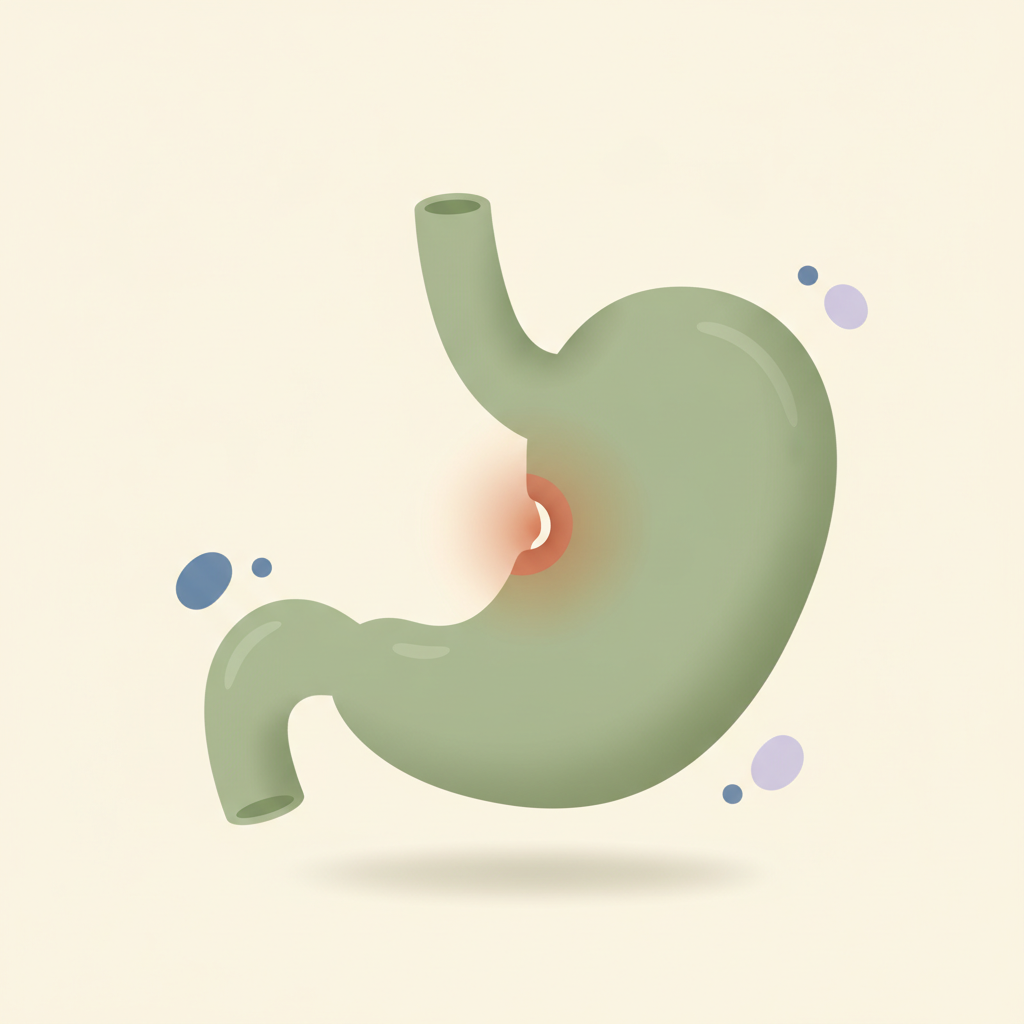

Reflux does appear to run in families to some degree, though it's not a simple single-gene inheritance pattern — it's more likely a combination of inherited anatomical tendencies (like a weaker LES or a predisposition to hiatal hernia) and shared environmental factors like diet and body weight patterns within a family.
What the research suggests
Studies on twins and families have found a higher likelihood of reflux and GERD among close relatives of people who have it, suggesting a real genetic component, though the exact genes involved aren't fully mapped the way they are for some other conditions.
Why this is useful to know
If reflux runs in your family, it's a reasonable signal to pay closer attention to early symptoms and consider lifestyle adjustments proactively, rather than waiting until symptoms are significant. It also means family history is a piece of information worth mentioning to a doctor, since it can inform how they think about your own symptoms and risk factors.
Not a guarantee either way
A family history doesn't guarantee you'll develop reflux, and the absence of one doesn't rule it out — lifestyle and other individual factors still play a major role regardless of genetics.