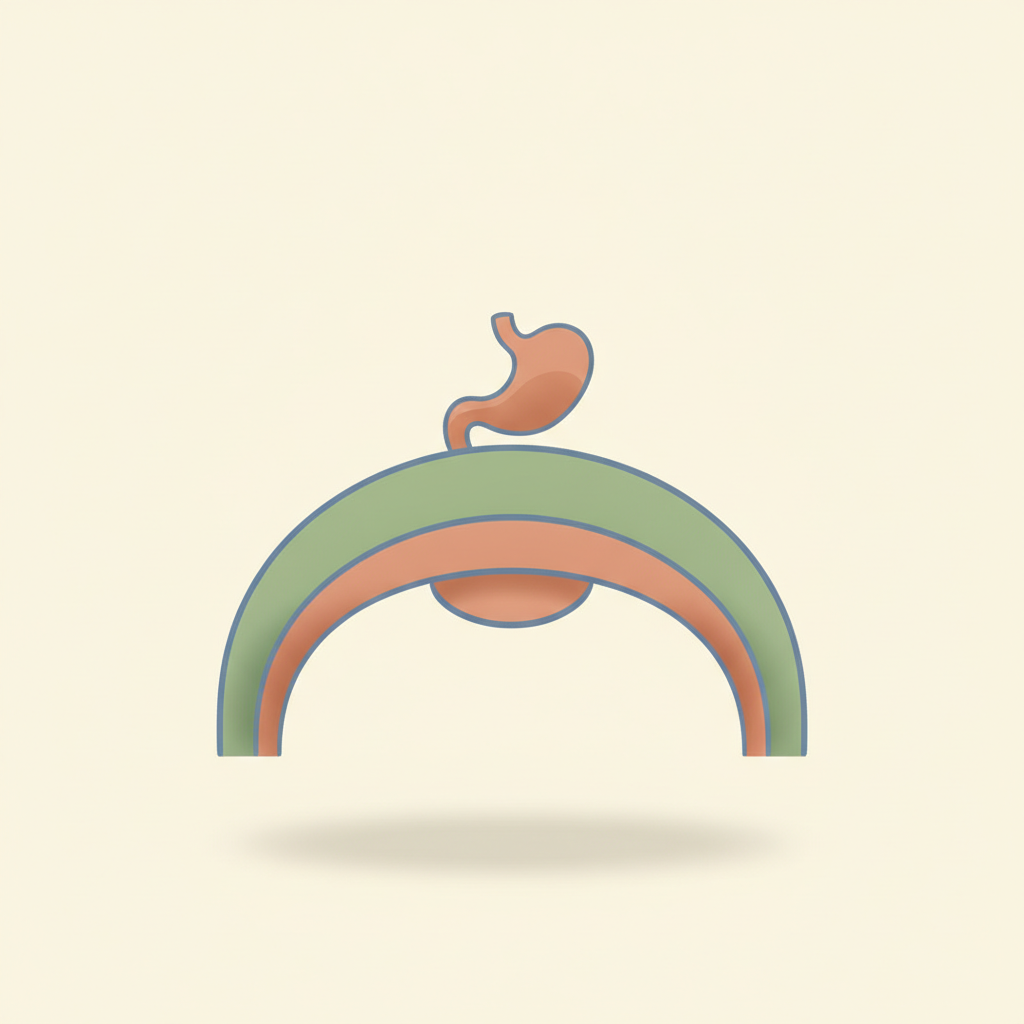
A hiatal hernia is typically found through one of a few standard diagnostic tools, often during an evaluation for reflux symptoms that haven't responded as expected to initial treatment.
Common diagnostic methods
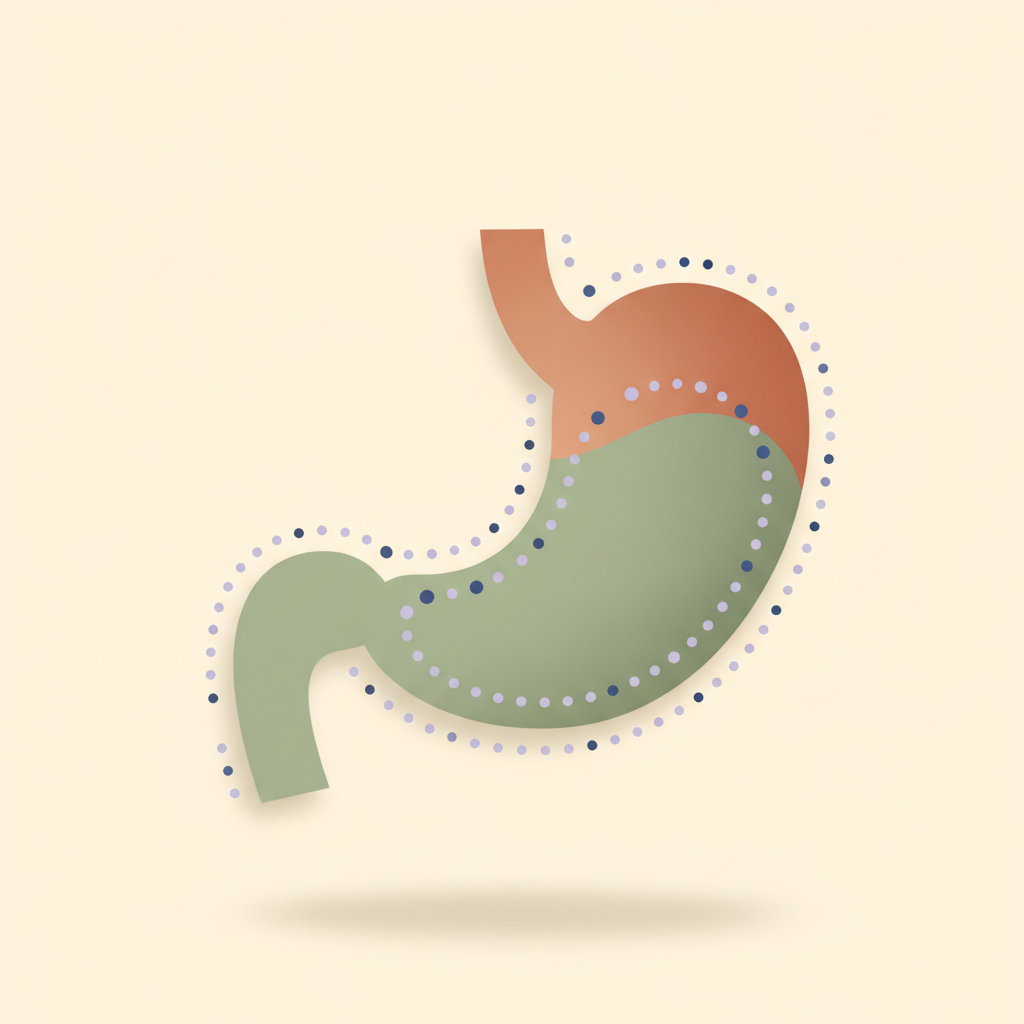
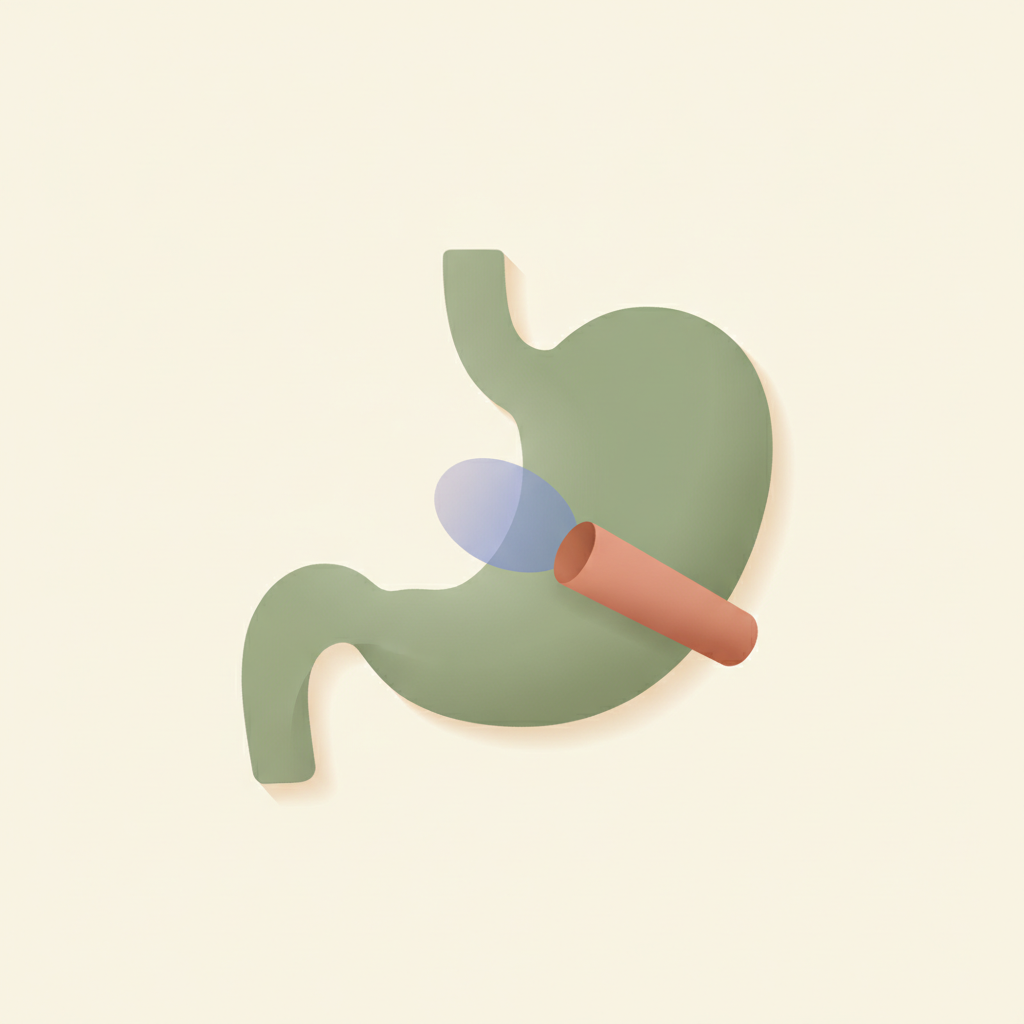
An upper endoscopy, where a doctor examines the esophagus and stomach with a small camera, is one of the most direct ways to see a hiatal hernia and assess its size. A barium swallow test, where you drink a barium solution that shows up on X-ray, can also reveal a hernia by showing the stomach's position relative to the diaphragm. Sometimes a hiatal hernia is found incidentally during imaging done for an unrelated reason.
When testing is typically considered
Reflux symptoms that don't improve with standard first-line treatment, symptoms that are unusually severe, or certain alarm symptoms (difficulty swallowing, unexplained weight loss, signs of bleeding) are common reasons a doctor might recommend endoscopy, which can then reveal a hiatal hernia as a contributing factor.
What happens after diagnosis
The size and type of hernia found (sliding vs. paraesophageal) shapes what's recommended next — many small sliding hernias are managed with the same lifestyle and medication approach as general reflux, while larger or paraesophageal hernias may prompt a more detailed conversation about monitoring or surgical options.