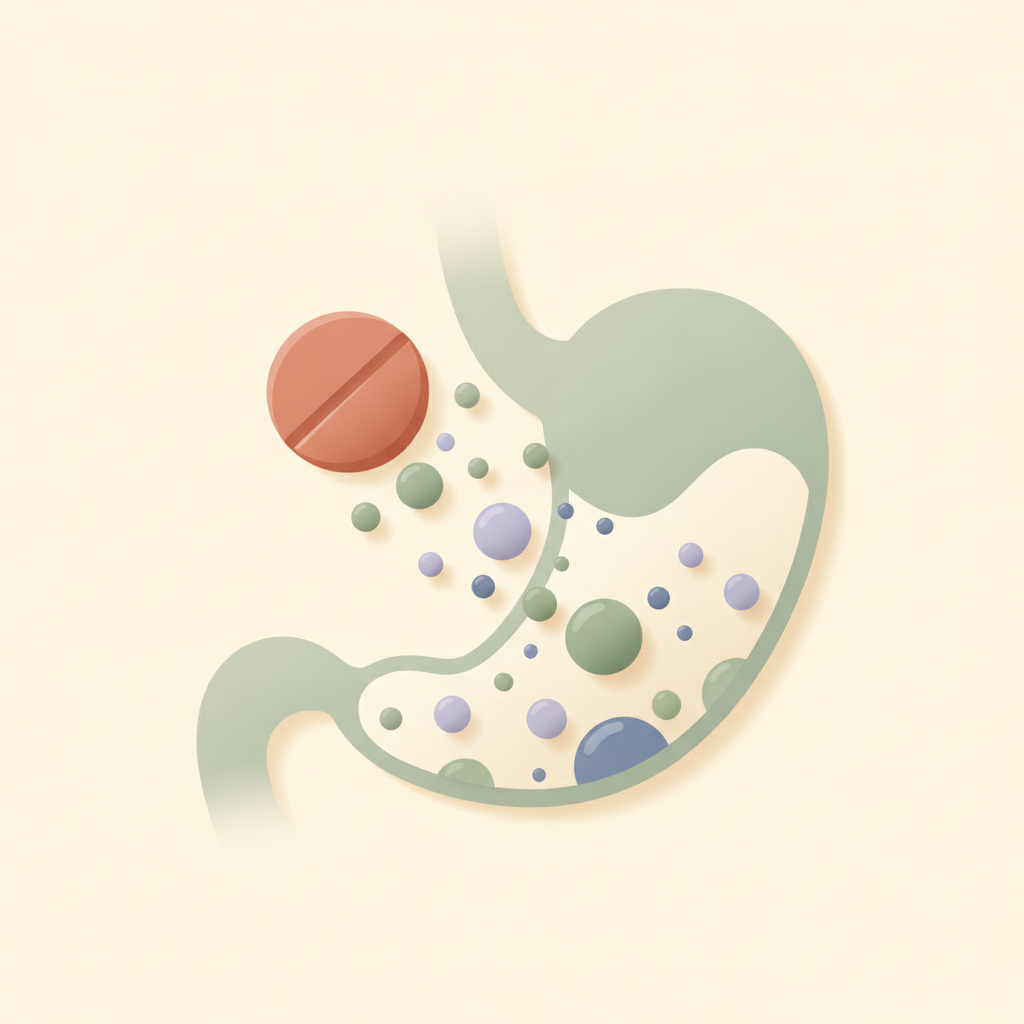
Antacids work differently from H2 blockers and PPIs: instead of reducing how much acid the stomach produces, they neutralize acid that's already there, using ingredients like calcium carbonate, magnesium hydroxide, or aluminum hydroxide. This is why they act fast — often within 5–15 minutes — making them the right choice for an active episode of heartburn rather than prevention. The trade-off is duration: most antacids wear off within an hour or two, since they don't stop new acid from being produced. They're well suited to occasional, situational use — after a trigger meal, or as fast relief while a longer-acting medication like a PPI takes effect — but they're not a substitute for addressing frequent or chronic reflux, since relying on them several times a day without addressing the underlying pattern usually means symptoms keep recurring.