Eating quickly is an underrated but genuinely significant reflux trigger, working through a few compounding mechanisms rather than just one.
Why speed matters
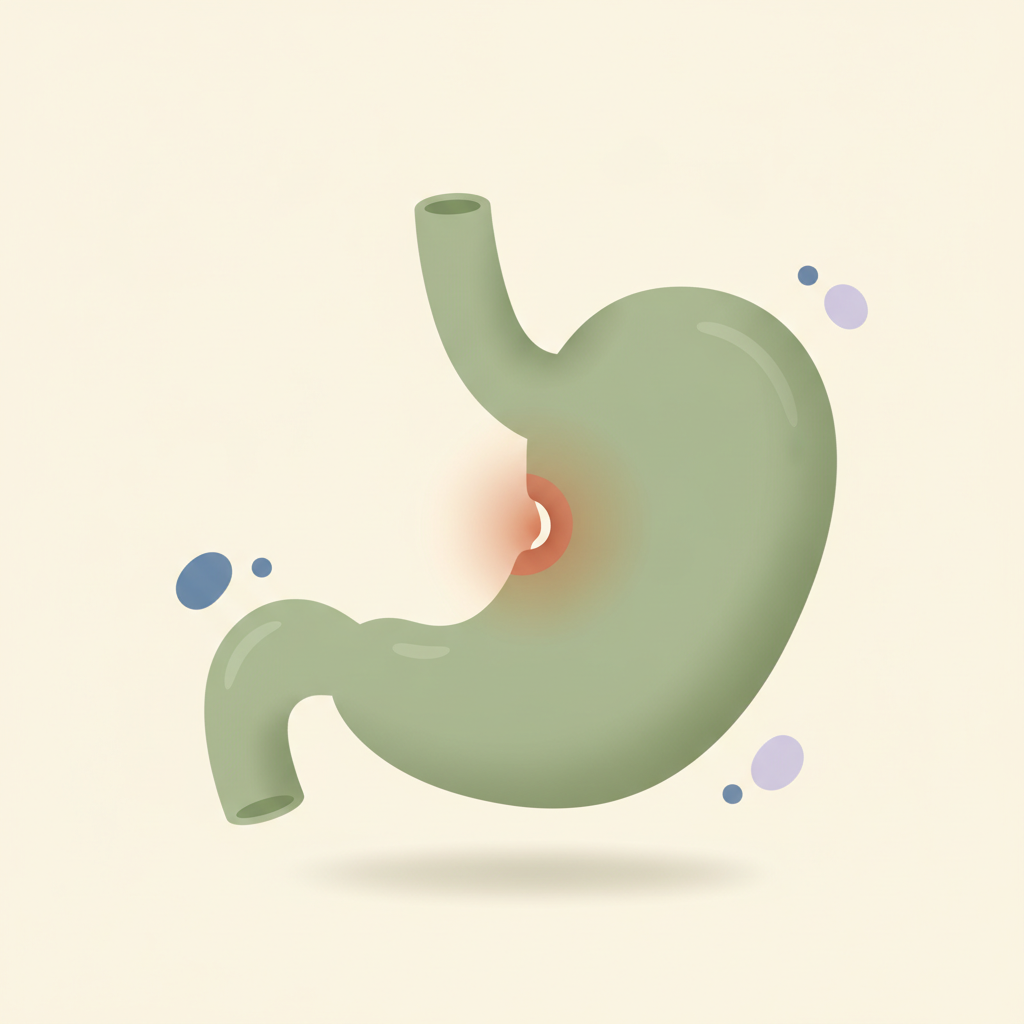
Eating fast means swallowing more air along with food, which adds to stomach distension and pressure. It also means larger bites and less chewing, requiring the stomach to work harder to break food down, which can slow overall digestion. Perhaps most importantly, eating quickly makes it easy to eat past the point of comfortable fullness before your body's satiety signals catch up, since those signals take about twenty minutes to register.
A simple fix with a real effect
Deliberately slowing down — putting utensils down between bites, chewing thoroughly, and pacing a meal to last at least twenty minutes — is one of the few reflux interventions that costs nothing and often shows a noticeable difference within days rather than weeks.
Why this is easy to overlook
Eating pace isn't a food choice, so it doesn't show up on typical trigger-food lists, but for people who eat quickly out of habit (rushed lunch breaks, eating while working), it can be as significant a contributor as any specific food, and addressing it is often simpler than an extensive dietary overhaul.