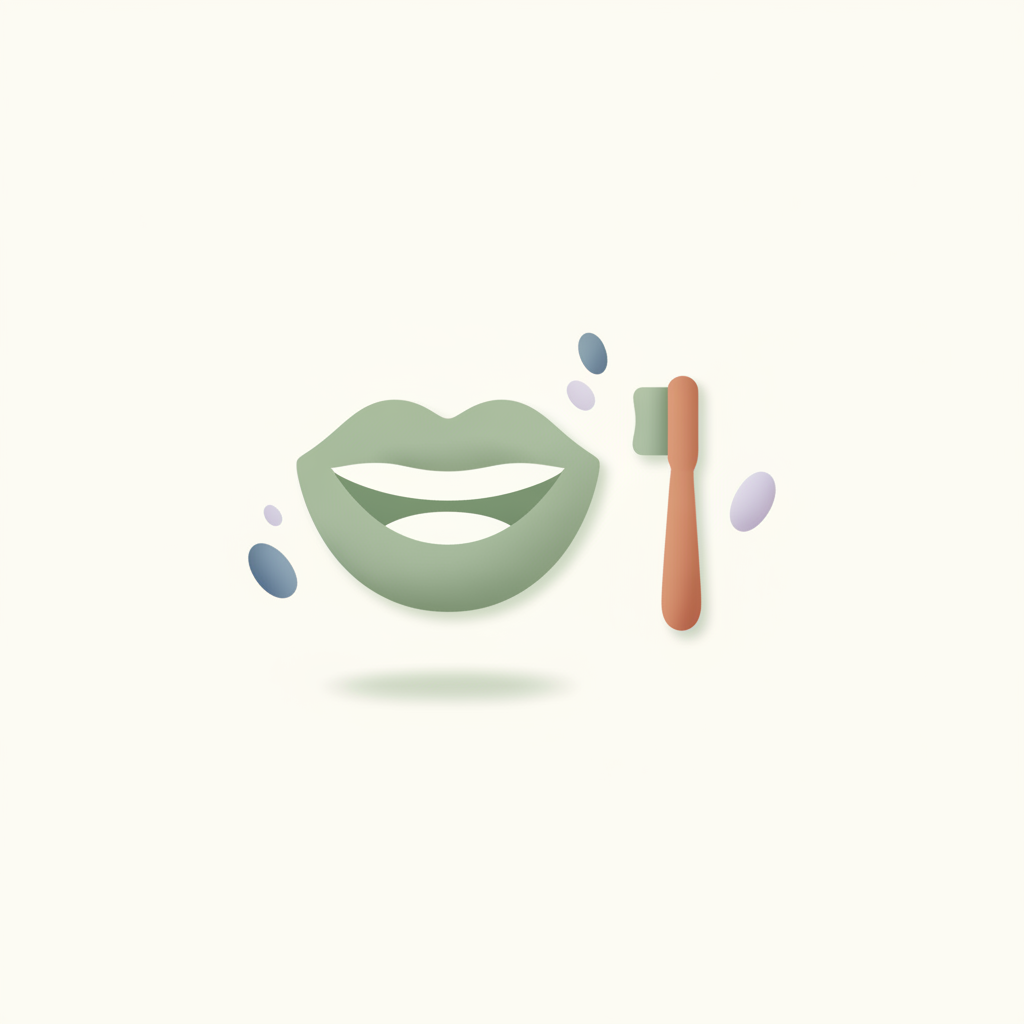
Reflux can affect more than the esophagus — stomach acid reaching the mouth, particularly during nighttime reflux or silent reflux, can contribute to enamel erosion and gum irritation over time, which makes dental and gum care a genuinely relevant part of managing reflux, not just an afterthought.
Home habits that help
- Rinsing with plain water (not brushing immediately) after a reflux episode, since brushing right after an acid exposure can spread the acid across the enamel before it's neutralized
- Waiting thirty minutes to an hour after an episode before brushing your teeth
- Using a soft-bristled toothbrush and being gentle around the gumline, especially if it's already sensitive
- Chewing sugar-free gum to stimulate saliva, which naturally helps neutralize acid in the mouth
When to involve a dentist
Noticeable enamel thinning, increased tooth sensitivity, or receding, irritated gums that don't improve with basic home care are worth raising with a dentist, who can sometimes spot signs of reflux-related damage before the reflux itself has been formally diagnosed. Mentioning reflux symptoms at a routine dental visit, even if it feels unrelated, gives your dentist useful context.
This isn't personal medical or dental advice — ongoing gum or enamel changes deserve a professional look rather than home care alone.