
Many women notice new or worsening reflux symptoms around menopause, and there are a few plausible contributing factors tied to the hormonal and physical changes of that transition.
Hormonal factors
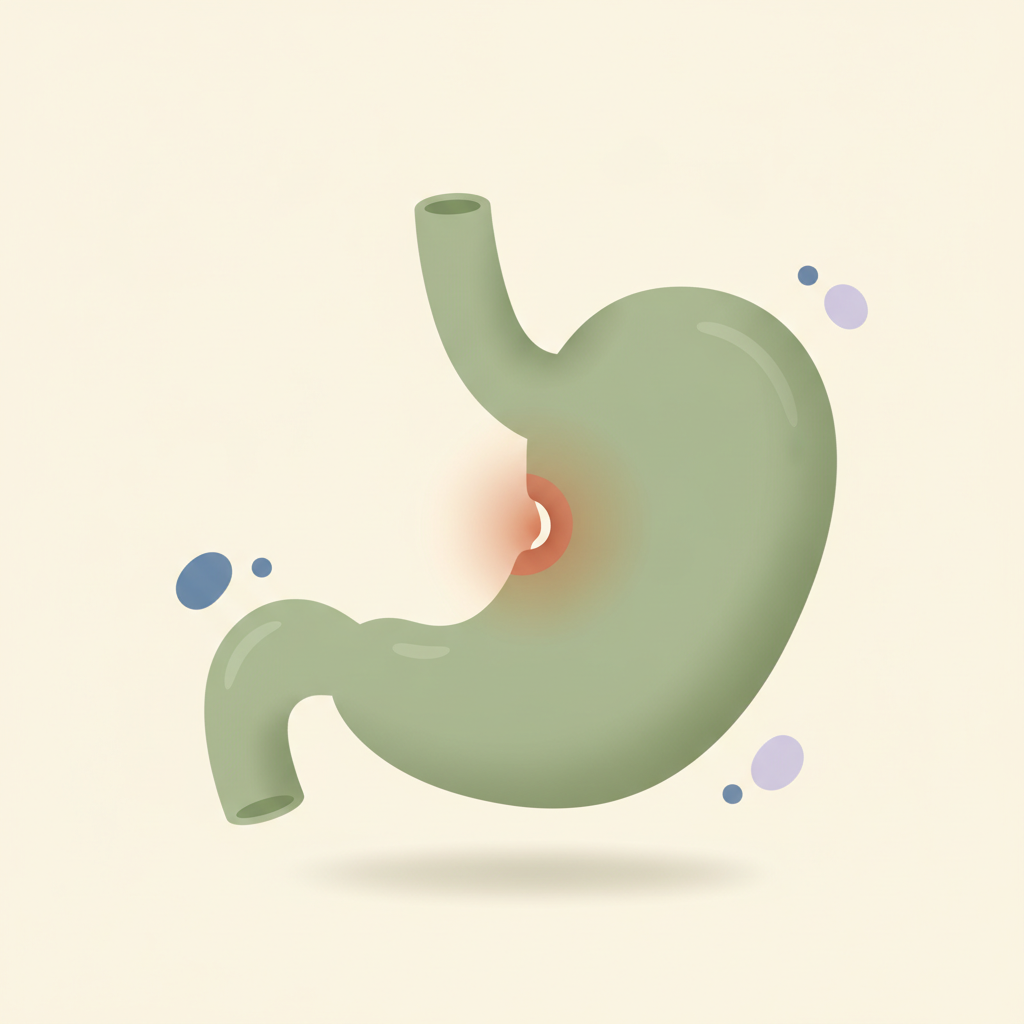
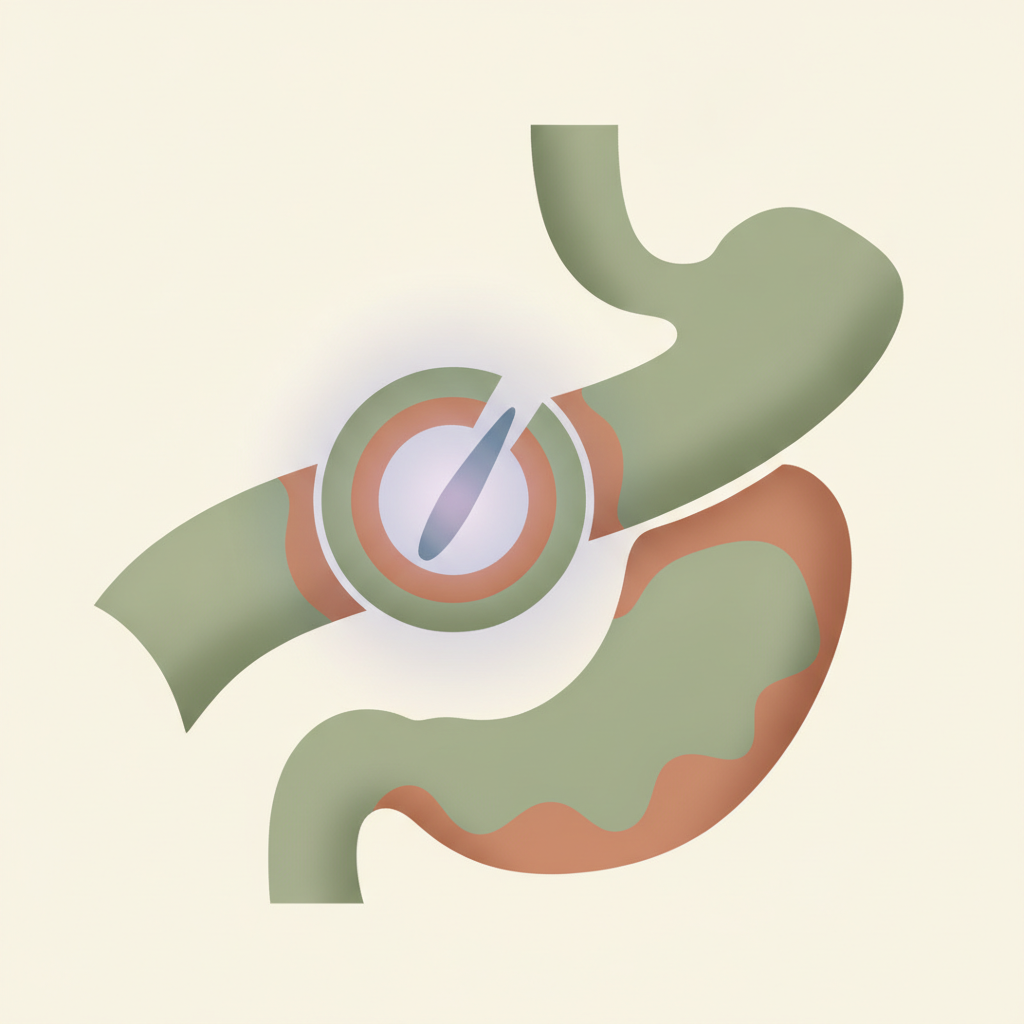
Declining estrogen and progesterone levels may affect LES muscle tone in some women, though the research connecting specific hormone levels to reflux is still developing. Hormone replacement therapy has been reported by some to affect reflux symptoms as well, in both directions depending on the individual and the specific therapy.
Weight and body composition changes
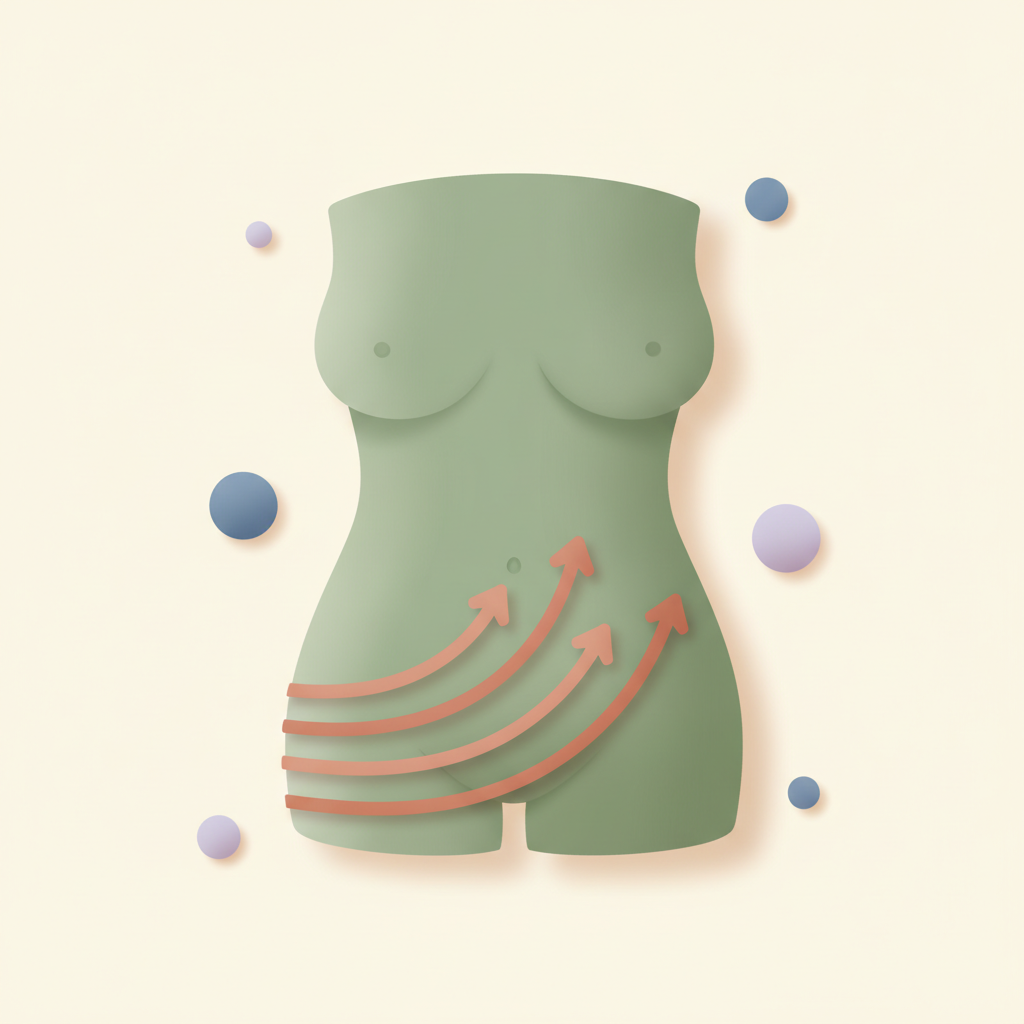
Menopause is often accompanied by changes in body composition, including increased abdominal fat for some women, which is an independent and well-established reflux risk factor regardless of the hormonal changes happening at the same time.
Sleep disruption's role
Menopause-related sleep disturbances (night sweats, insomnia) can also indirectly worsen reflux, since fragmented sleep and time spent lying down awake can increase the window for nighttime symptoms.
If reflux symptoms newly appear or worsen around this life stage, it's worth discussing with a doctor, since it might factor into broader menopause-related care decisions.