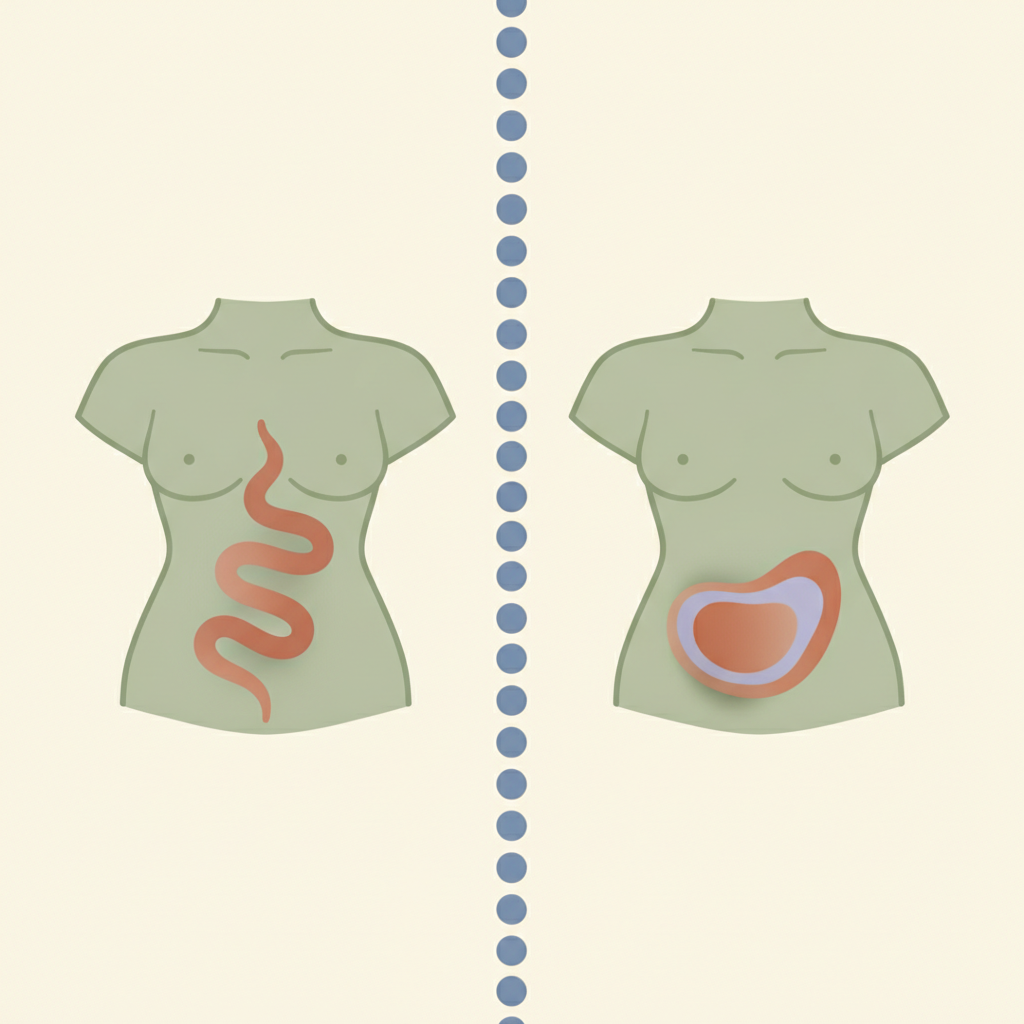
Eosinophilic esophagitis (EoE) is a less common but increasingly recognized condition that can mimic GERD symptoms closely enough to be initially misdiagnosed, which makes understanding the distinction genuinely useful.
What EoE actually is
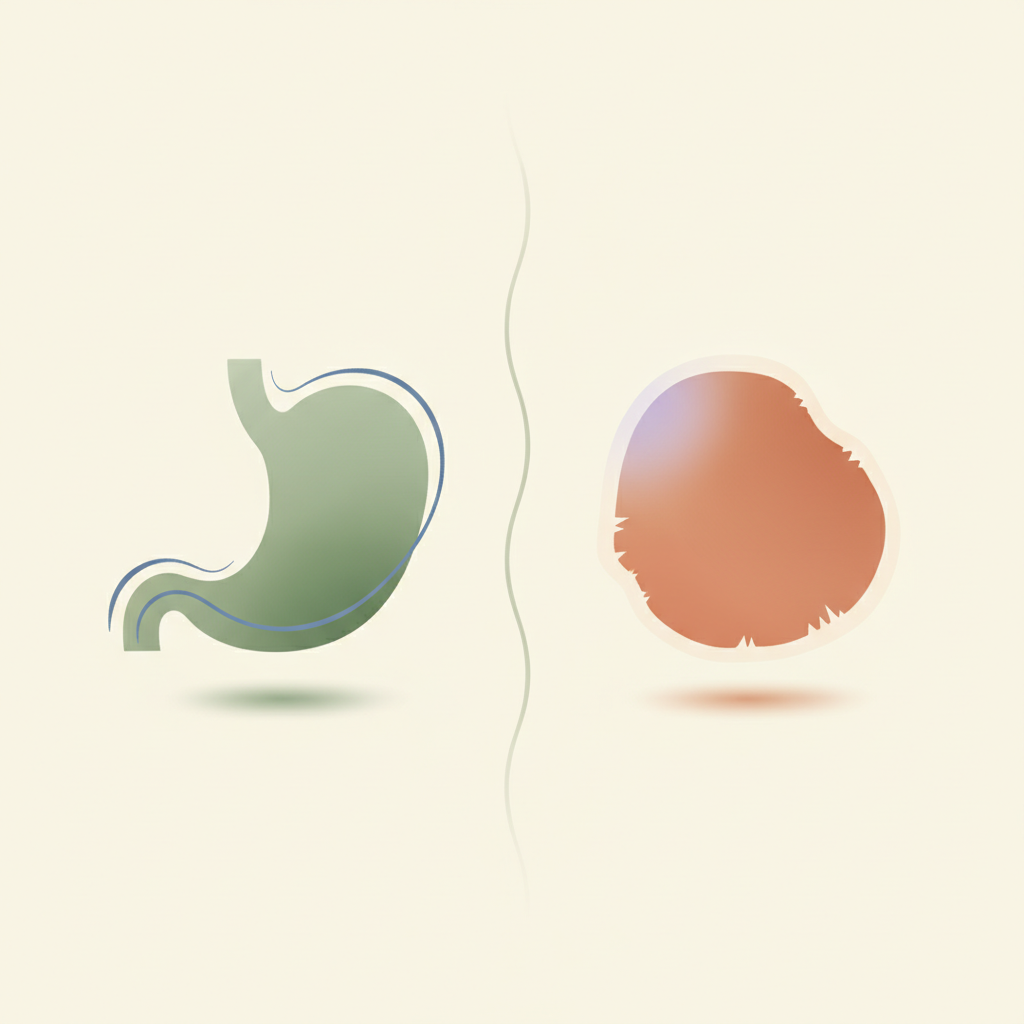
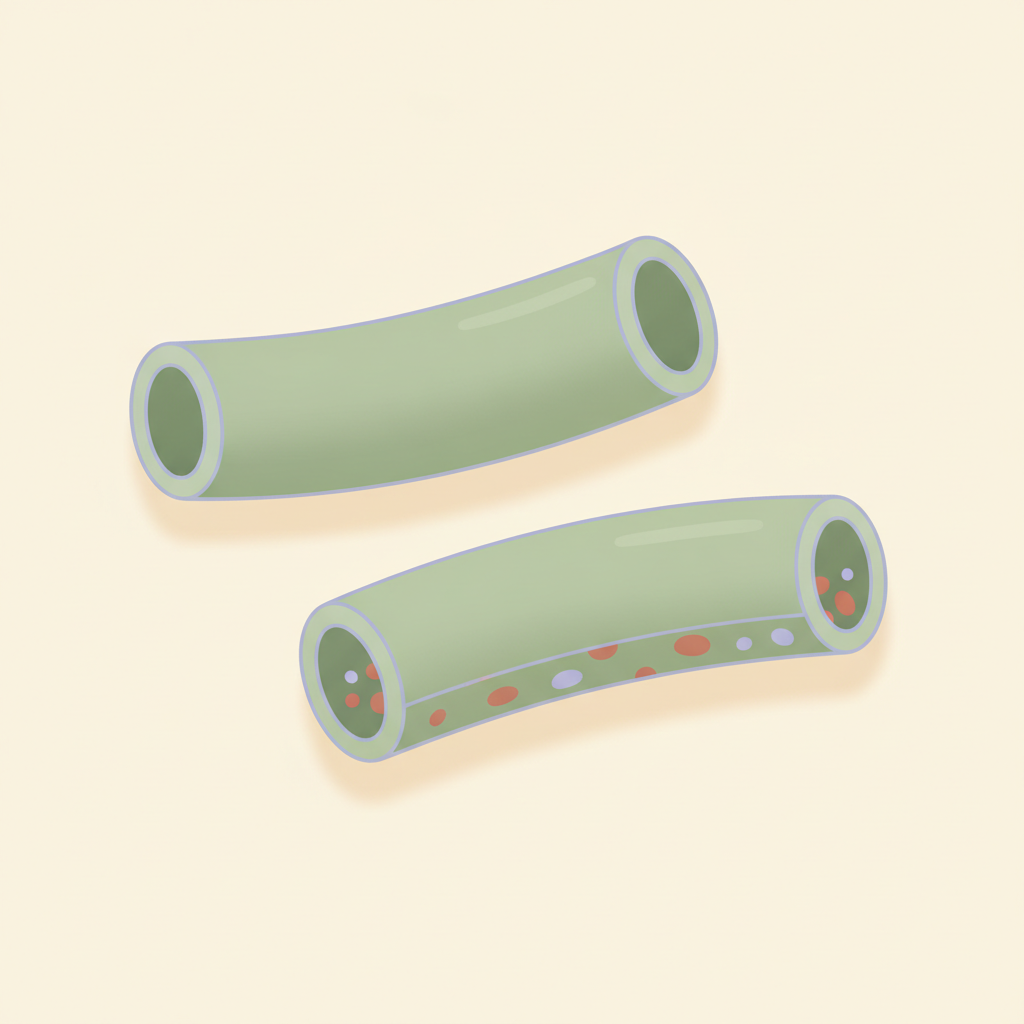
EoE is an allergic or immune-driven condition where a type of white blood cell (eosinophils) builds up in the esophageal lining, causing inflammation. Unlike GERD, it's not primarily driven by stomach acid, though it can cause similar symptoms, including heartburn-like discomfort.
Symptoms that point more toward EoE
Difficulty swallowing that doesn't fully explain by typical GERD, food getting stuck in the esophagus (sometimes requiring emergency removal), and reflux-like symptoms that don't respond well to standard acid-suppressing treatment are all patterns that raise suspicion for EoE rather than typical GERD. EoE is also more commonly associated with other allergic conditions like asthma, eczema, or food allergies.
How the distinction is made
EoE is diagnosed through endoscopy with biopsies, which show the characteristic eosinophil buildup under a microscope — something a standard reflux workup alone wouldn't necessarily catch, which is why persistent or treatment-resistant swallowing difficulty deserves a closer look rather than an assumption that it's simply hard-to-treat GERD.