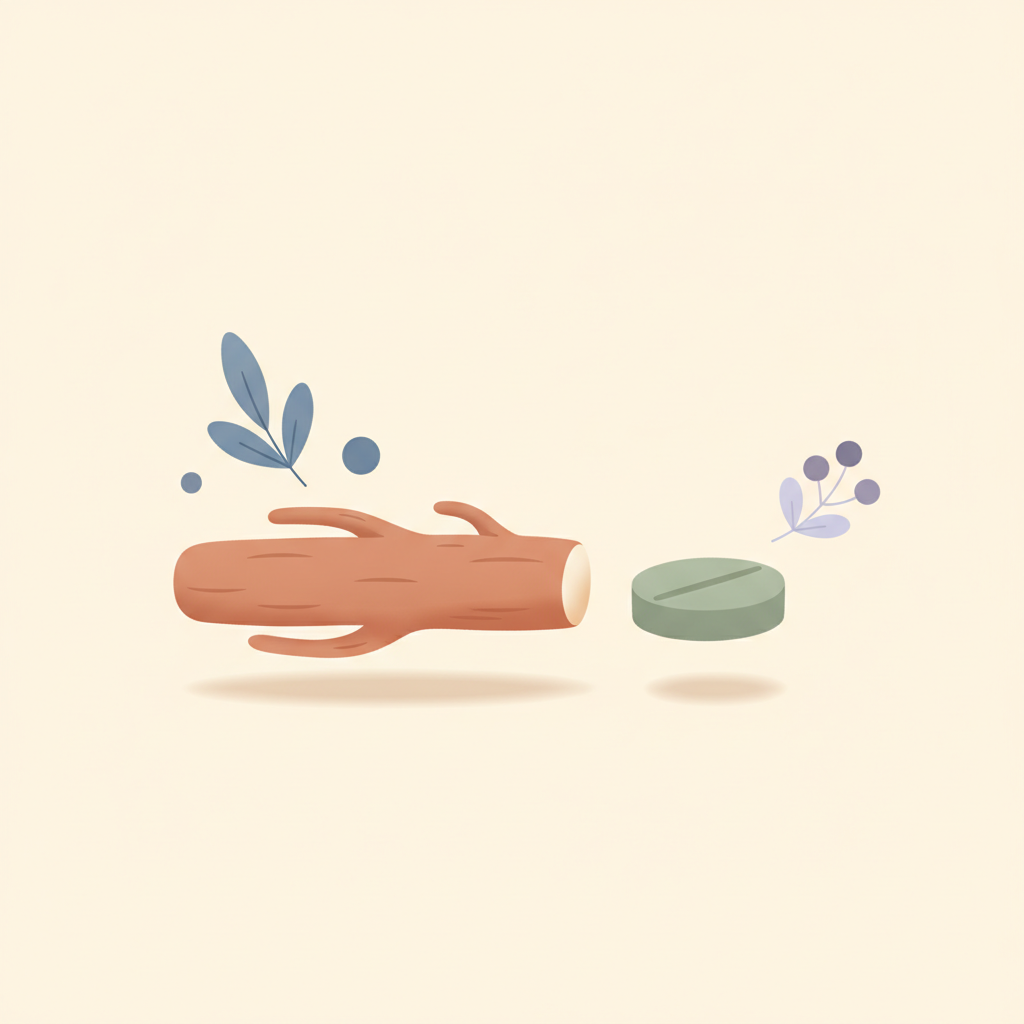
Slippery elm is a traditional herbal remedy known for its mucilage content — a gel-like substance that forms when mixed with water, which is the basis for its reputation as a soothing agent for irritated digestive tissue.
The plausible mechanism
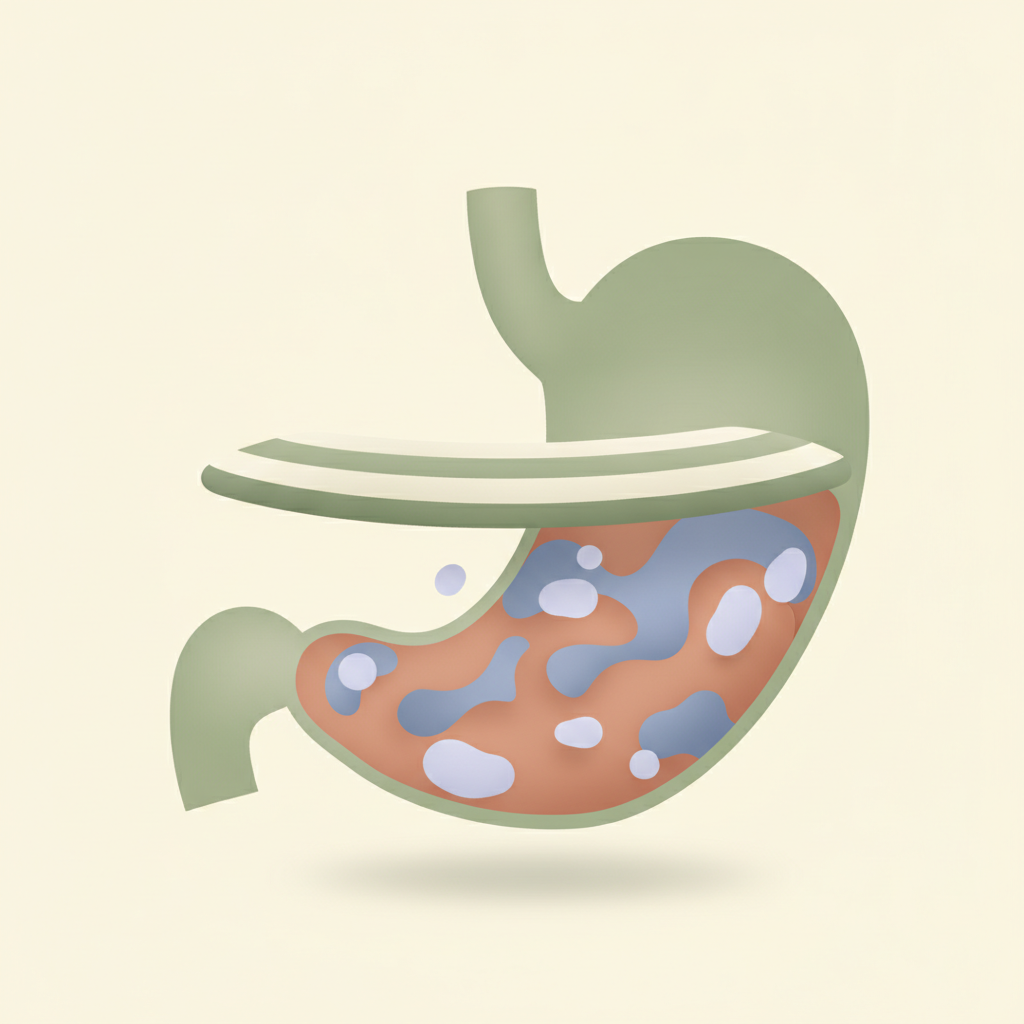
When taken as a tea or lozenge, the mucilage may coat the throat and esophagus, providing a temporary protective layer against acid irritation, similar in concept to how other coating agents work, though slippery elm's specific effectiveness for reflux hasn't been extensively studied in controlled trials.
How people typically use it
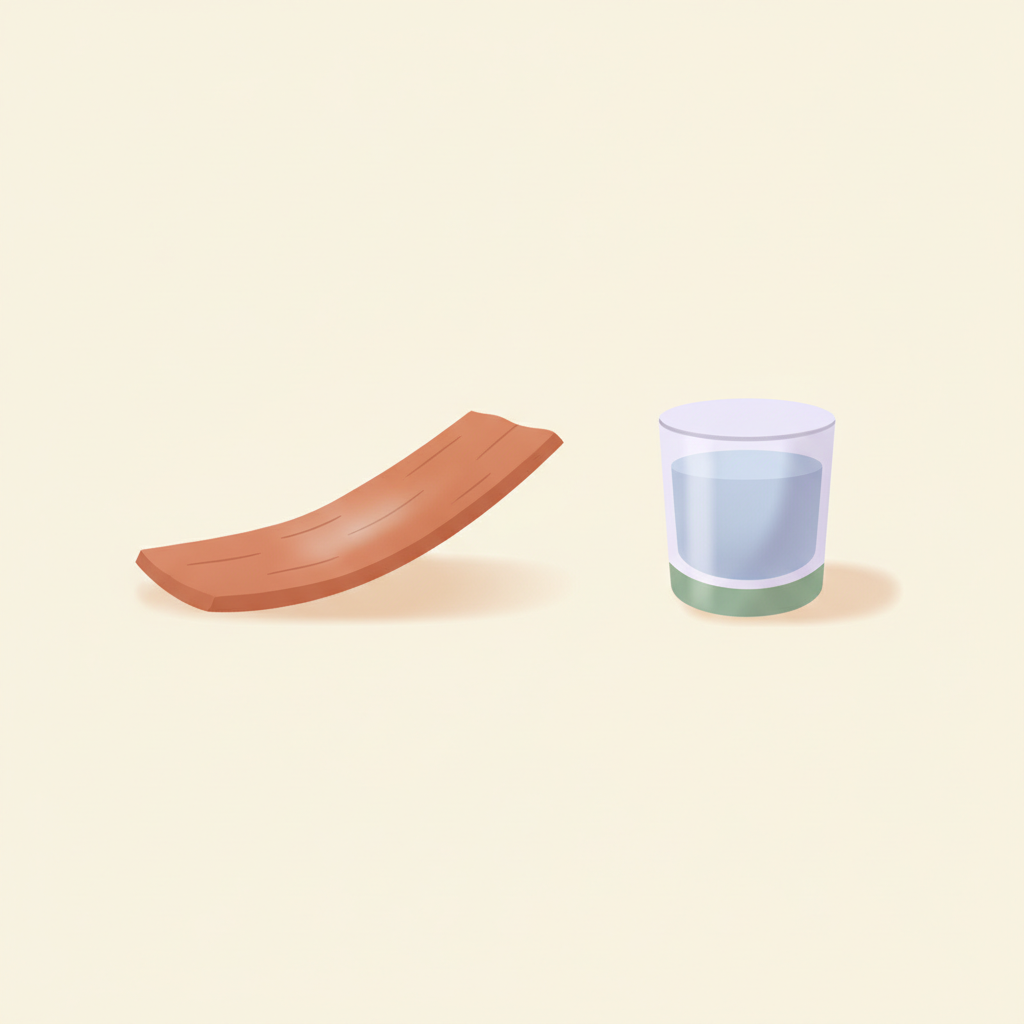
Slippery elm powder mixed into warm water to form a mild tea, or slippery elm lozenges, are the most common preparations, usually taken before meals or when symptoms are active rather than as a preventive daily supplement.
What to keep in mind
Because it forms a coating, slippery elm may interfere with the absorption of other medications taken around the same time, so it's generally recommended to take it separately from other medications by a couple of hours. As with most herbal remedies on this list, it's reasonable to try as a low-risk, low-evidence addition alongside established treatment, not as a substitute for it.