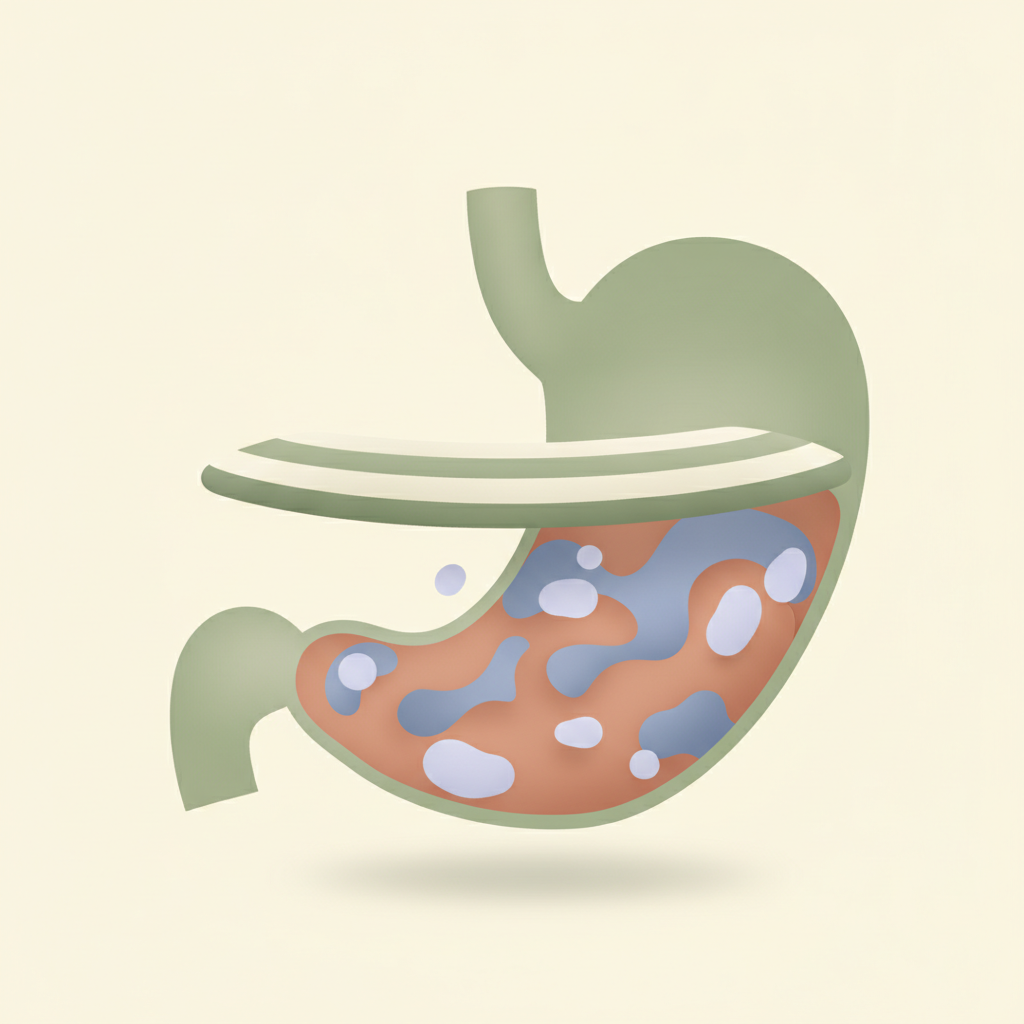
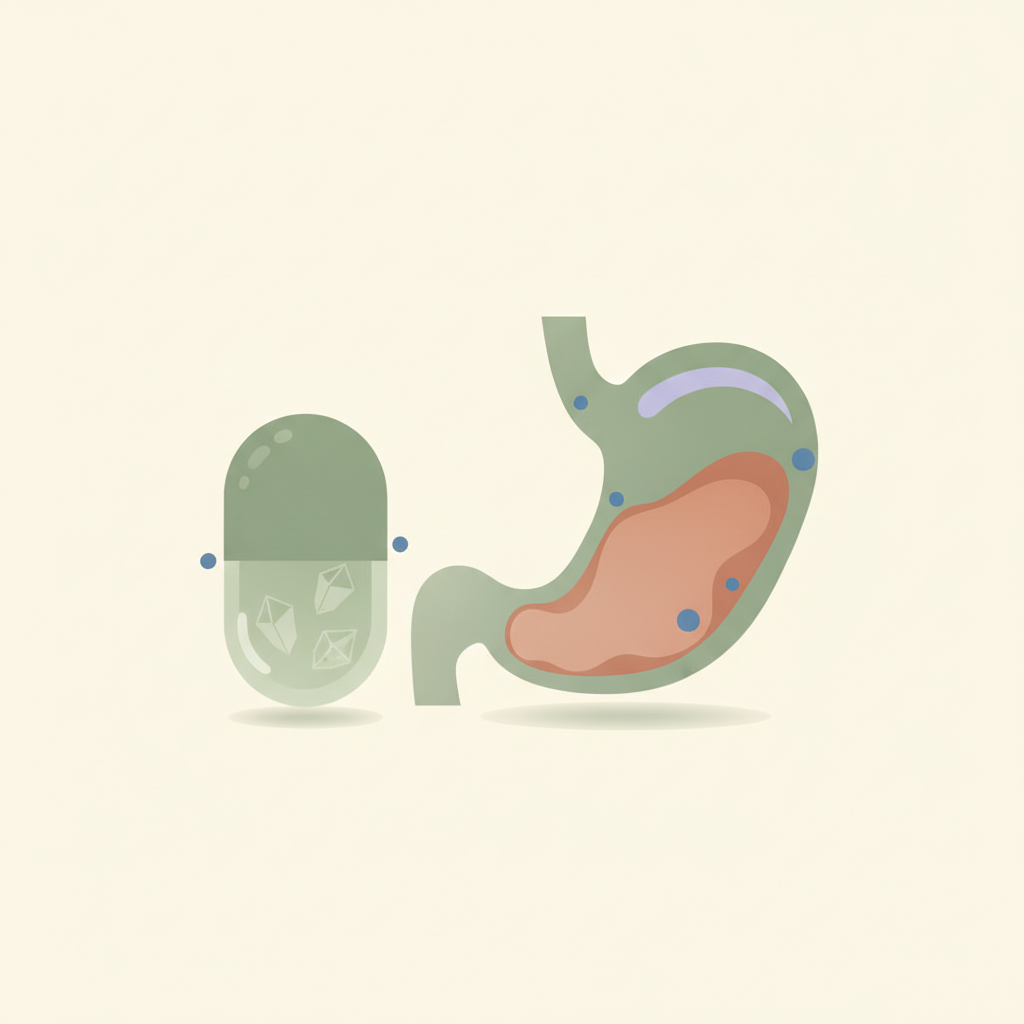
Zinc carnosine is a compound studied mainly for stomach lining protection, and while most of its research base is focused on ulcers and gastritis rather than reflux specifically, the mechanism has led some people to try it for reflux-related esophageal irritation as well.
How it's thought to work
Zinc carnosine appears to support the mucous lining of the digestive tract and may have a mild protective, anti-inflammatory effect on irritated tissue. This is a different mechanism from acid-suppressing medication — it's not reducing how much acid is produced, but potentially helping tissue that's already been exposed to it.
What the evidence actually supports
The research specifically on zinc carnosine for reflux (as opposed to general stomach lining health) is limited, and it shouldn't be considered a replacement for standard reflux treatment. It's more reasonably framed as a possible supportive addition for people already managing reflux through other means.
A reasonable way to approach it
If trying it, doing so alongside — not instead of — established treatment, and discussing it with a doctor first, especially given zinc supplementation has its own considerations around dosage and interactions with other minerals like copper over the long term.