A barium swallow test uses a contrast liquid and X-ray imaging to visualize the shape and function of the esophagus and stomach, offering a different kind of information than endoscopy's direct visual inspection.
How the test works
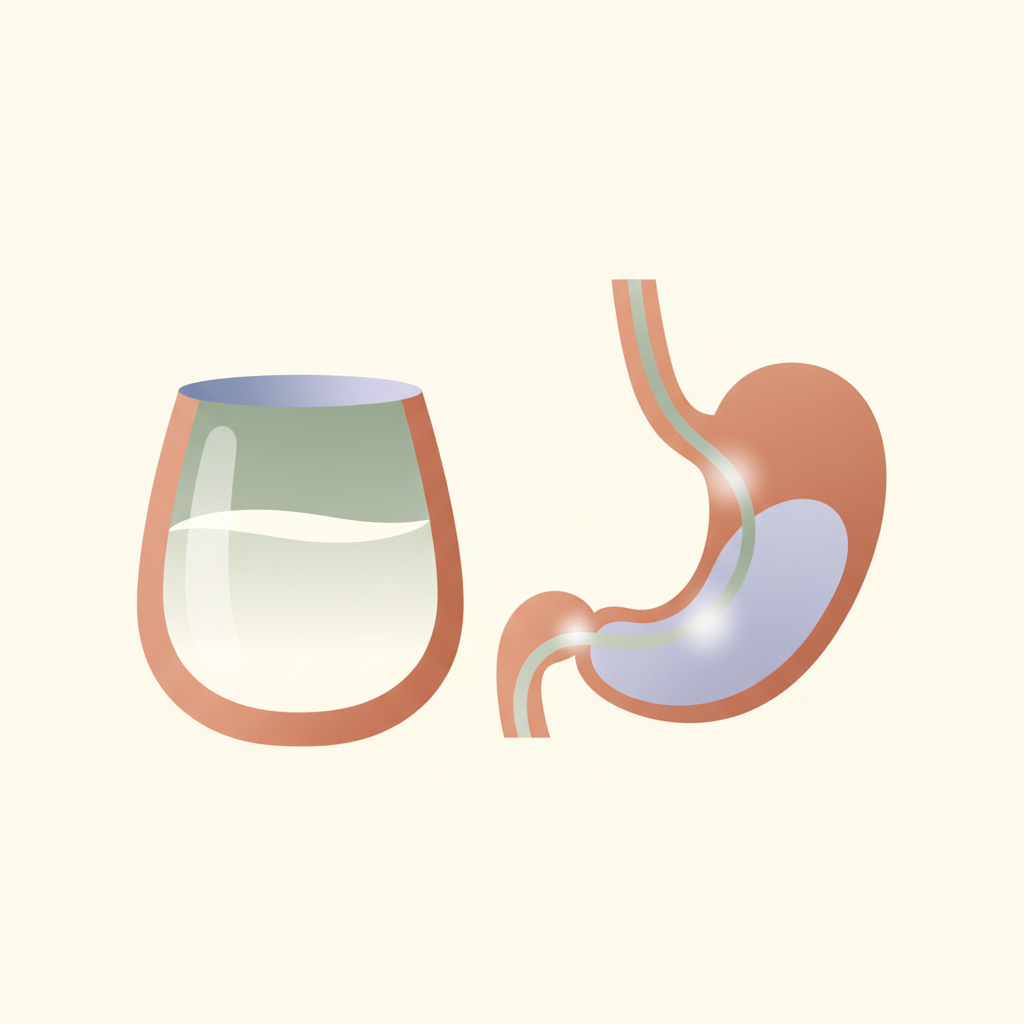
You drink a barium solution, which coats the inside of the esophagus and stomach and shows up clearly on X-ray. As you swallow, a radiologist watches in real time (fluoroscopy) how the barium moves, which can reveal structural issues like a hiatal hernia, narrowing (strictures), or abnormal reflux of the barium back up from the stomach.
What it can reveal that other tests might not
Because it's a dynamic, real-time view of swallowing and stomach function, a barium swallow is particularly useful for identifying structural problems — a hiatal hernia's size and type, strictures, or abnormal esophageal shape — that a static image or acid-focused test wouldn't capture as clearly.
What to expect
The test itself is relatively quick and non-invasive (no tube involved, unlike manometry or a pH test), though the barium solution has a distinct chalky taste and texture that some people find unpleasant. You may be asked to avoid eating for a period beforehand, and the barium can cause temporary light-colored stool afterward, which is expected and not a concern.