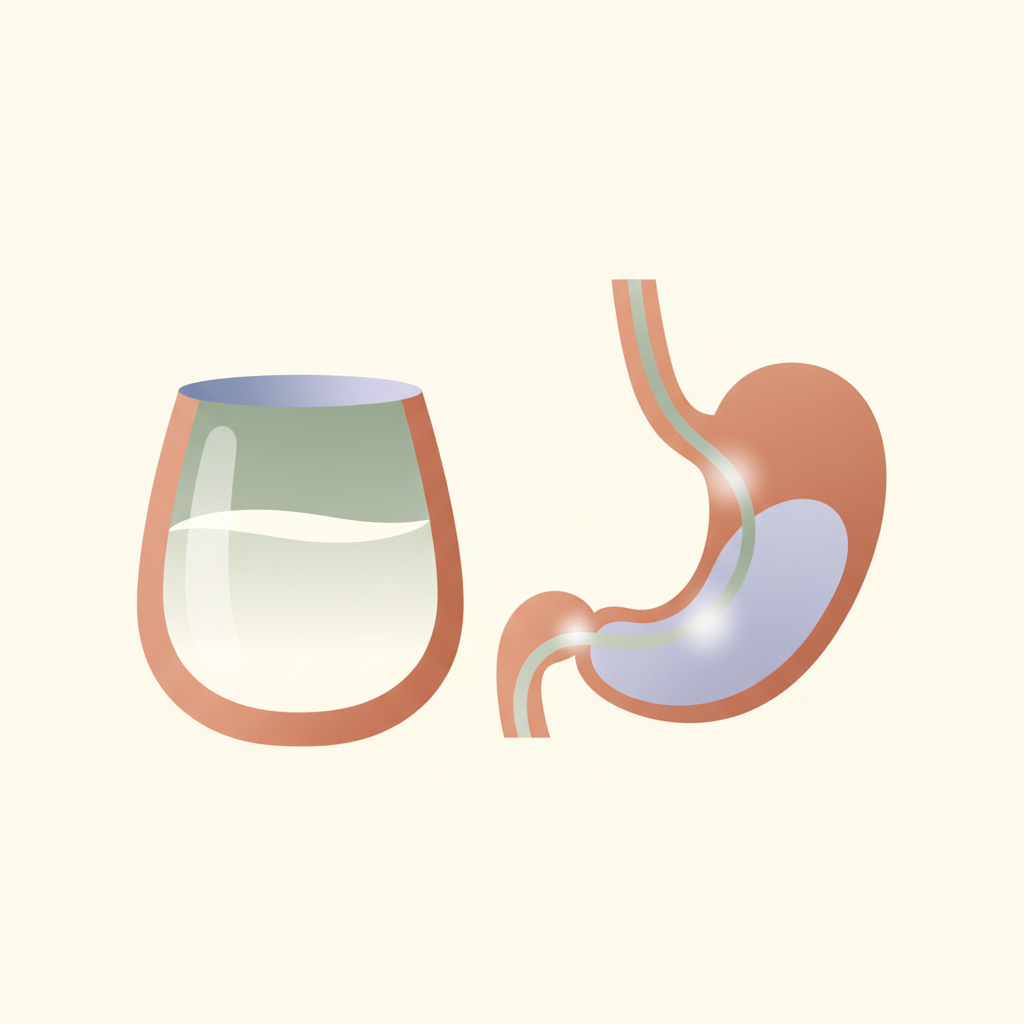
A 24-hour pH test measures how much and how often acid actually reaches your esophagus over a full day, which is useful when the diagnosis isn't clear from symptoms and an endoscopy alone.
How the test works
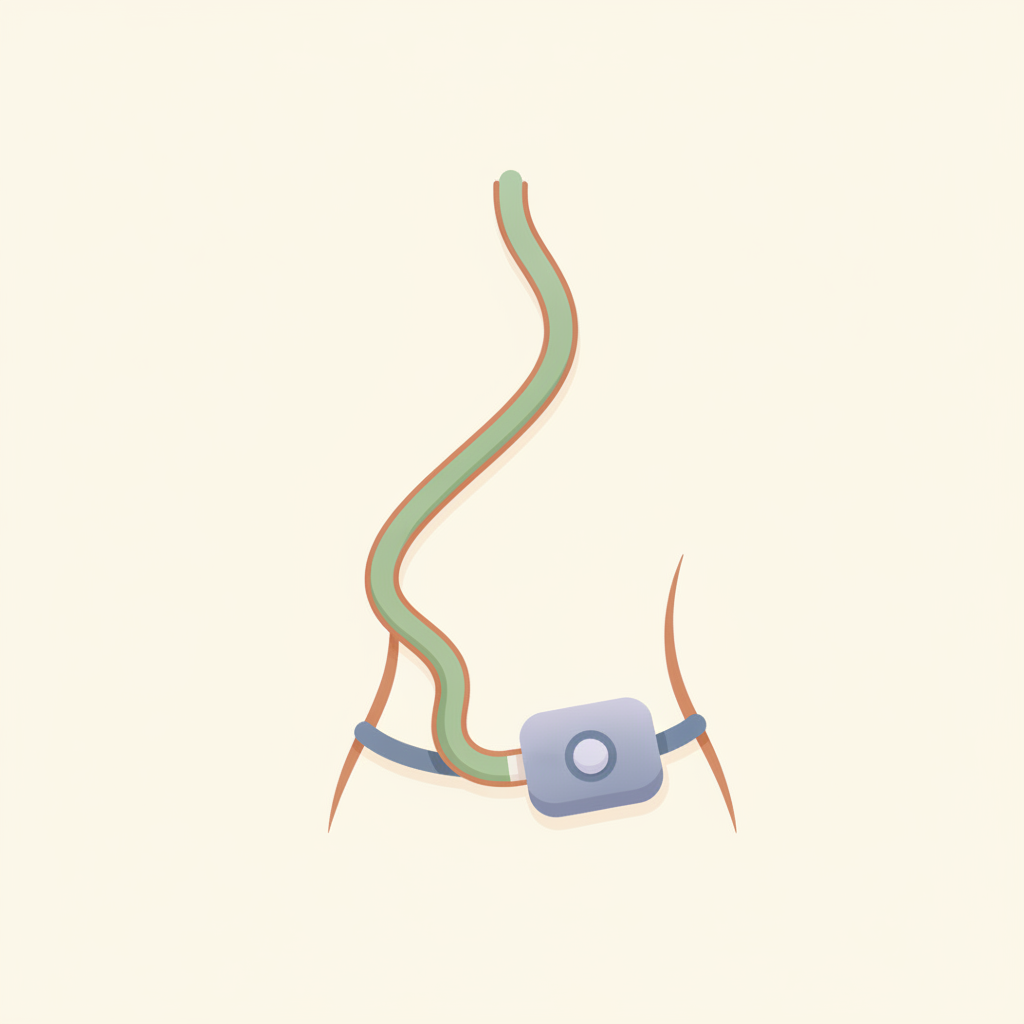
A thin, flexible tube is typically placed through the nose into the lower esophagus (or in some versions, a small capsule is attached to the esophageal lining during an endoscopy and transmits data wirelessly), and a small recording device tracks acid exposure over roughly 24 hours while you go about a mostly normal day, logging your meals, symptoms, and activities alongside the acid readings.
What it's used to determine
This test helps confirm whether reflux is actually occurring at a level that explains your symptoms, which is particularly useful when symptoms are atypical, when surgery is being considered and needs objective confirmation of reflux first, or when standard treatment hasn't worked and the diagnosis needs to be reassessed.
What to expect practically
Most people find the tube mildly uncomfortable in the throat initially but tolerable, and you're asked to eat and behave close to your normal routine so the results reflect a typical day rather than an artificially modified one. Your doctor's office will give specific preparation instructions, including which medications to pause beforehand, since certain reflux medications need to be stopped for the test to give accurate results.