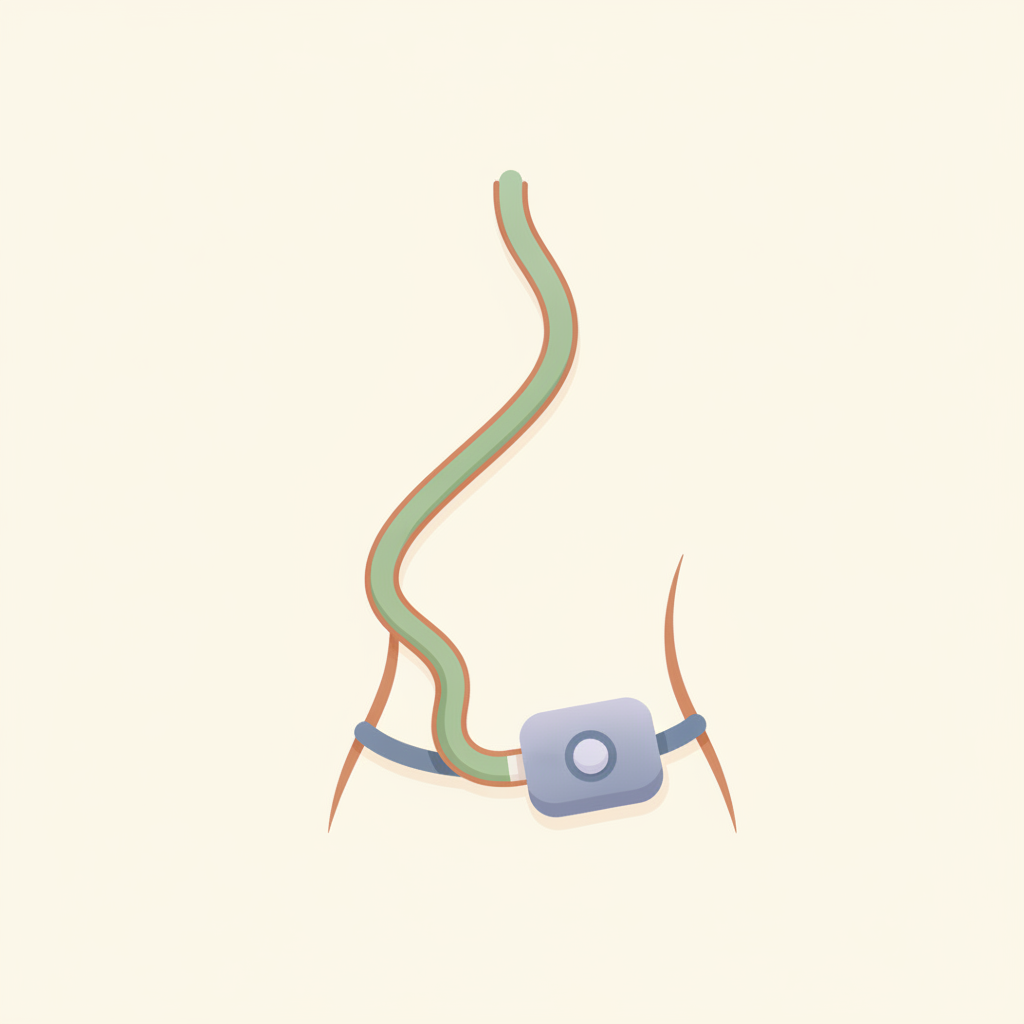

Not everyone with reflux symptoms needs an endoscopy — many people are diagnosed and treated based on symptoms alone, especially when those symptoms are typical and respond well to initial treatment. Endoscopy becomes more relevant in specific situations.
When it's typically recommended
Alarm symptoms — difficulty or pain swallowing, unexplained weight loss, signs of bleeding (vomiting blood, black stools), or persistent vomiting — are the clearest reasons a doctor would recommend prompt endoscopy. It's also commonly recommended when symptoms don't improve with standard treatment after a reasonable trial, when symptoms have been long-standing (which raises the question of monitoring for tissue changes like Barrett's esophagus), or when the diagnosis itself is unclear.
What it actually shows
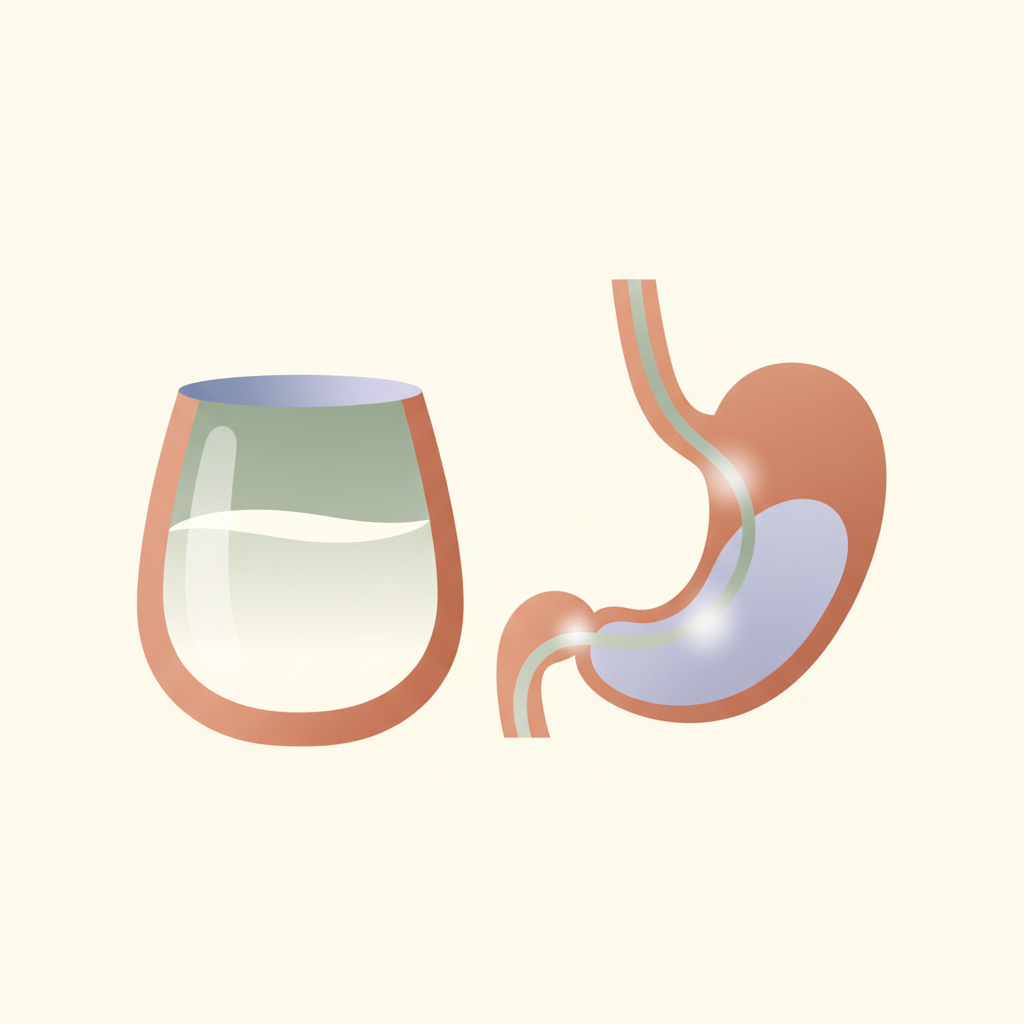
An endoscopy lets a doctor directly see the esophagus and stomach lining, identify inflammation or damage from acid exposure, check for a hiatal hernia, and take tissue samples if needed — information symptoms alone can't provide.
The honest bottom line
Whether you need one is a decision for your doctor based on your specific symptoms, history, and response to initial treatment, not something to self-determine from a symptom checklist. If you're unsure whether your situation warrants it, that question itself is worth asking directly at your next appointment.