
Diagnosing and testing for reflux in children, especially younger ones, differs meaningfully from adult approaches, both in which tests are used and how symptoms are interpreted.
Why diagnosis often starts differently in kids
In infants and young children, reflux is often diagnosed based on symptom patterns and physical exam alone, since testing carries more practical challenges (sedation considerations, a child's ability to tolerate a tube-based test) that make doctors reserve more invasive testing for situations where it's genuinely needed.
When testing is more likely to be considered
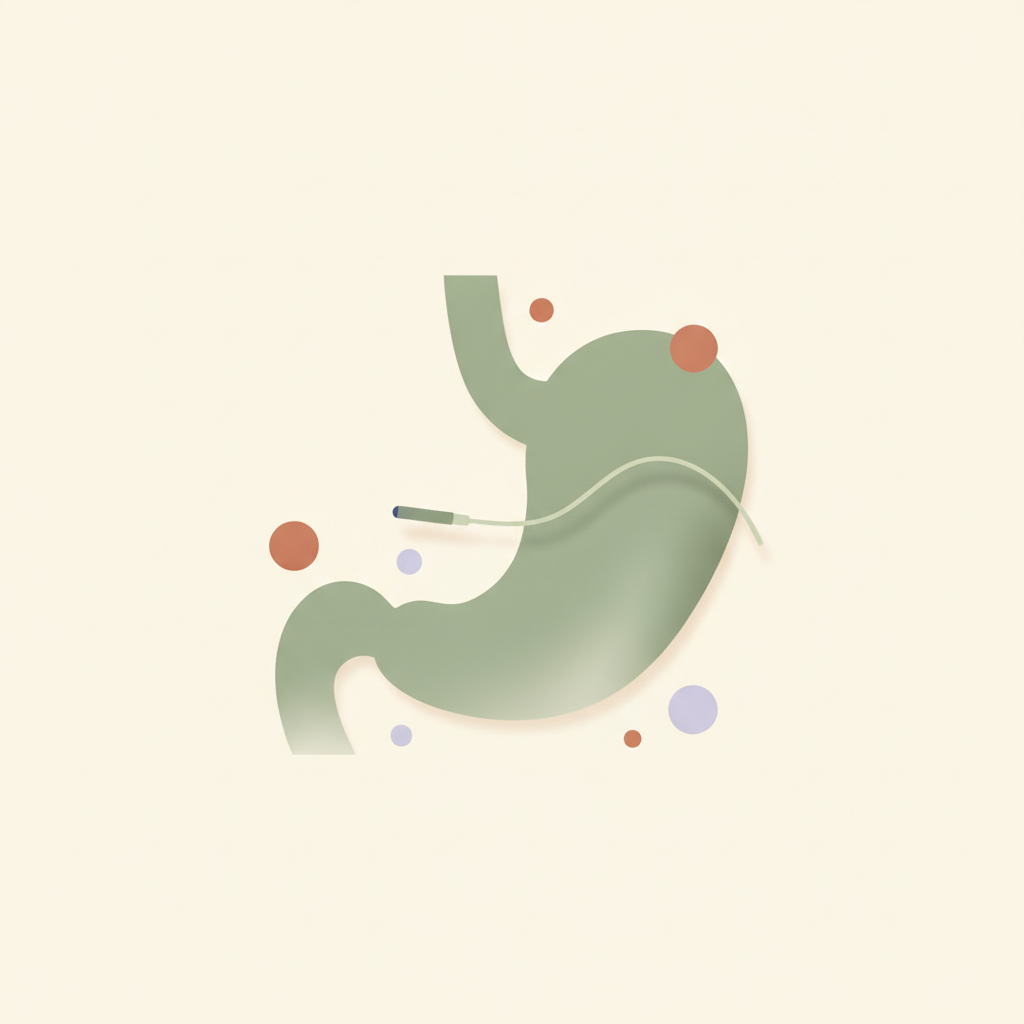
Poor weight gain, feeding refusal, signs of pain during feeding, or symptoms not improving with standard first-line management are common reasons a pediatrician or pediatric gastroenterologist might recommend further testing, which could include a pH study, endoscopy, or imaging depending on the specific concern.
Adaptations for pediatric testing
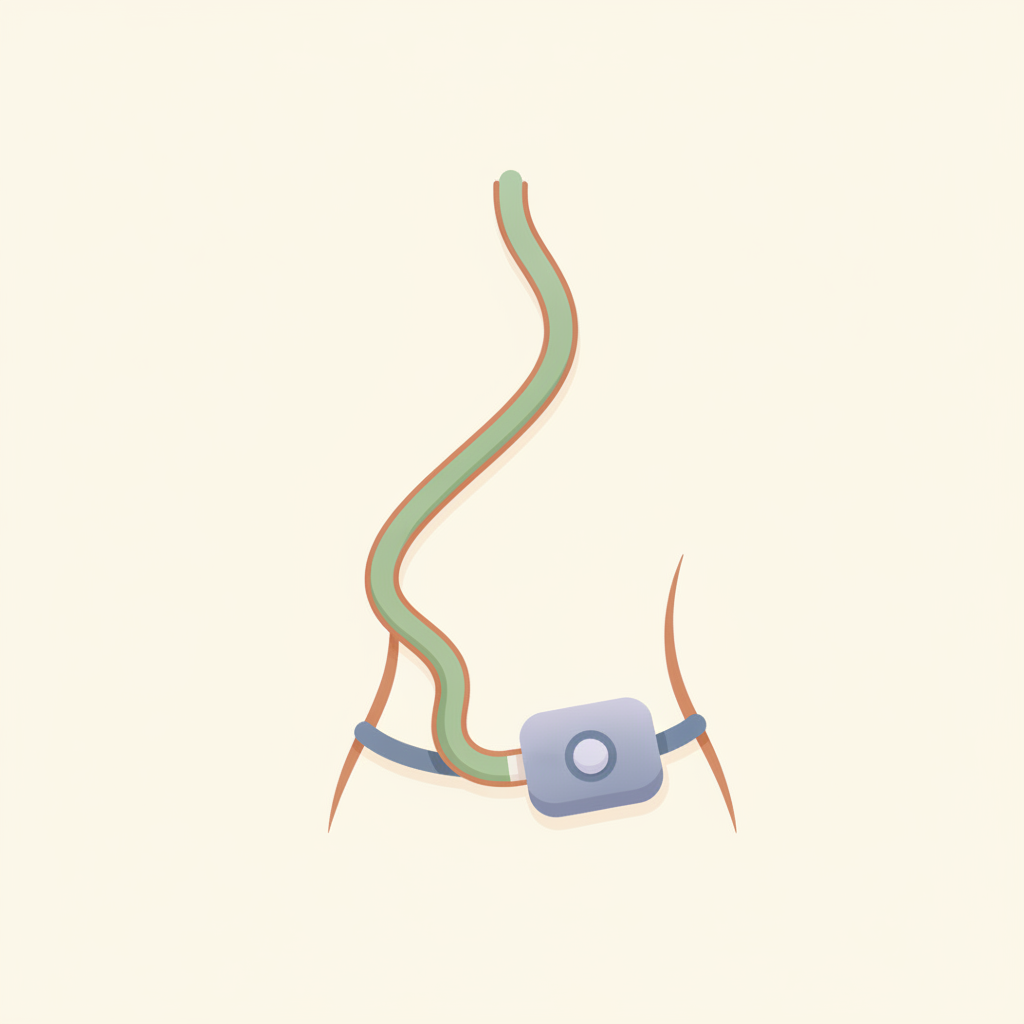
When testing is needed, procedures like pH monitoring or endoscopy are performed by specialists experienced with pediatric patients, often with different sedation approaches and equipment sized appropriately for a child, and interpretation of results accounts for normal variation by age, which differs from adult reference ranges.
This isn't personal medical advice — any concern about a child's reflux symptoms should go through a pediatrician rather than being evaluated against adult-focused information.