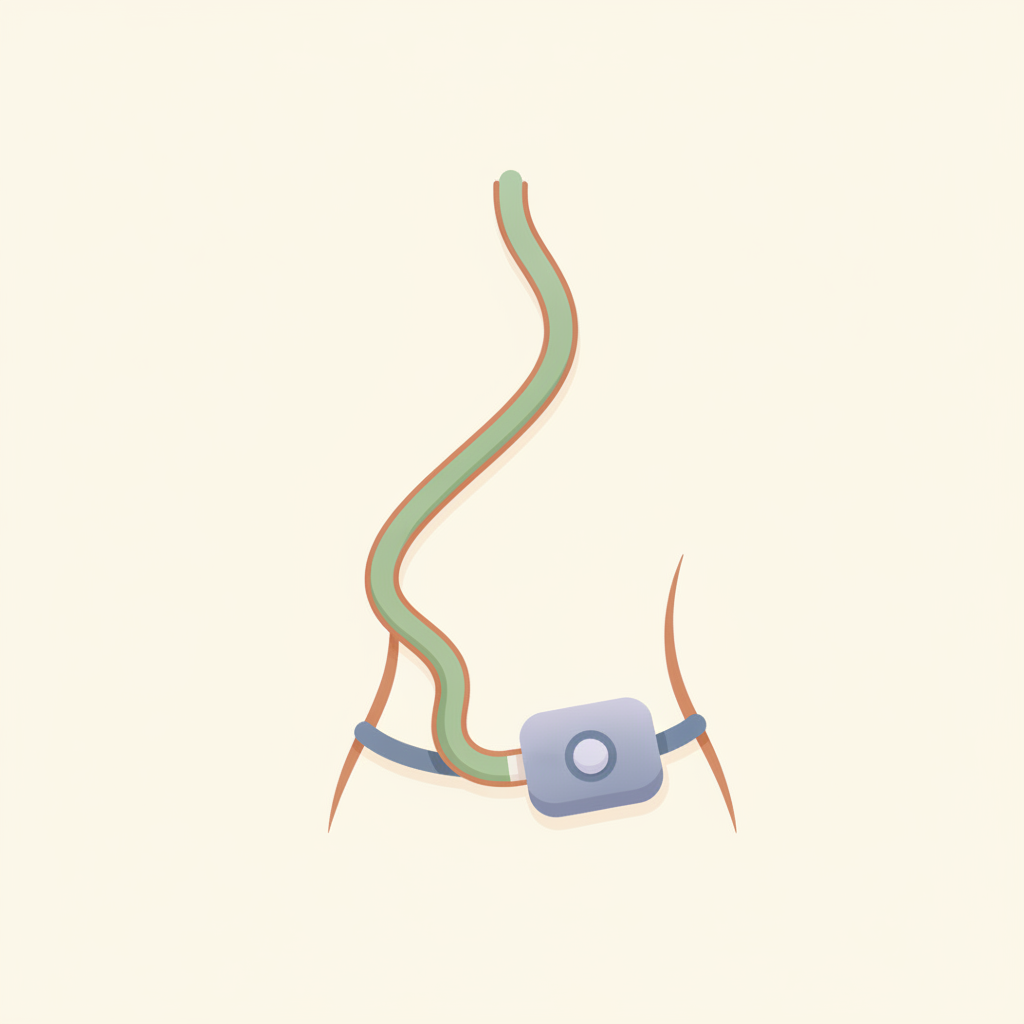

pH test results are reported using specific measurements, and understanding the general shape of what's being measured helps make sense of a result even before a doctor walks you through it in detail.
What's actually being measured
The test tracks what percentage of the monitored time the esophagus had a pH below a certain threshold (indicating acid presence), among other metrics like the number of reflux episodes and how long the longest episodes lasted. These are combined into a composite score that helps classify whether reflux is present at an abnormal level.
Why results aren't simply pass or fail
Some acid exposure in the esophagus is actually normal and expected even in people without reflux disease — brief, occasional exposure that clears quickly isn't itself abnormal. What matters is the overall pattern: how much total time was spent with acid present, how long episodes lasted, and how well they correlated with symptoms you logged during the test.
Why symptom correlation matters as much as the raw numbers
One of the most useful parts of the test is whether your logged symptoms line up with detected reflux episodes. A result showing reflux happening but not matching symptom timing suggests something else might be causing the symptoms, which is exactly the kind of nuance a doctor interprets alongside the raw numbers rather than a number alone telling the whole story.